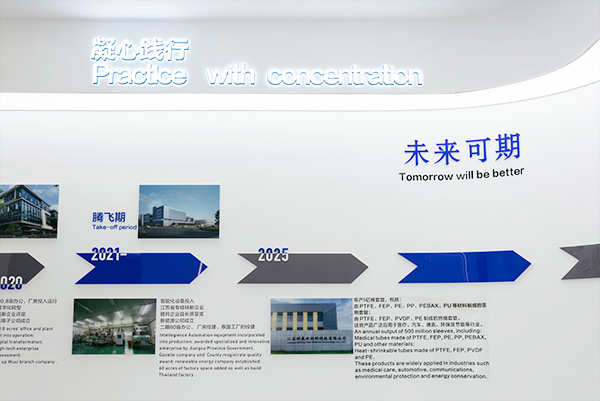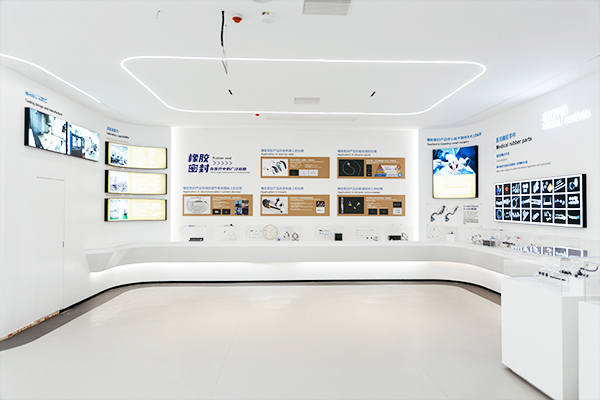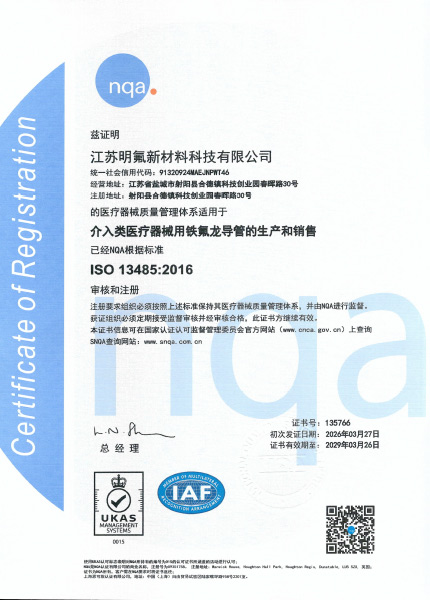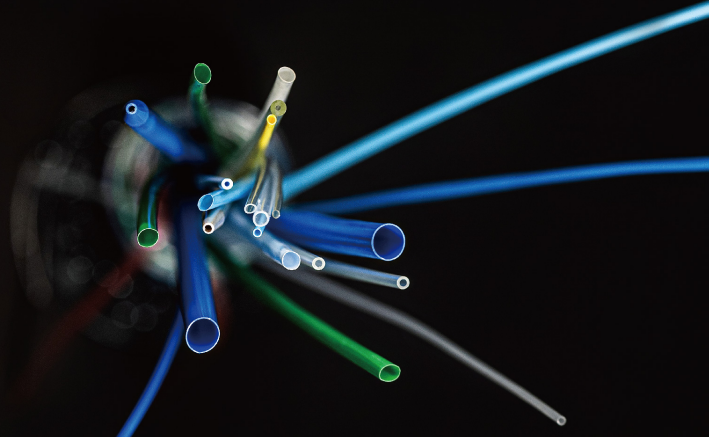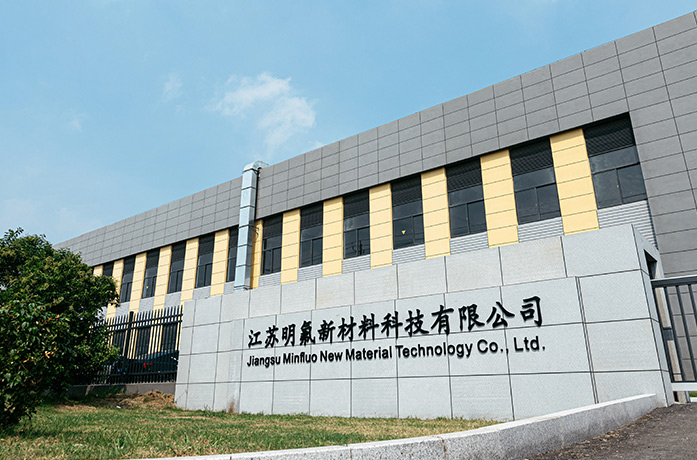
Jiangsu Minfluo New Material Technology Co., Ltd. specializes in the research, development, manufacturing, and sales of fluoropolymer extruded tubing, with a strong focus on the medical catheter industry. Backed by Mingke Group and supported by a professional technical team, the company is committed to providing one-stop medical catheter solutions for medical device manufacturers worldwide. Equipped with a comprehensive mold workshop, physical, chemical, and biological laboratories, as well as advanced international extrusion and testing equipment, the company ensures product safety, reliability, and consistency through a complete quality management system certified to ISO 9001 and ISO 13485 standards. Driven by technological innovation and stringent quality control, Jiangsu Minfluo is dedicated to advancing medical device development and strives to become a trusted global supplier of fluoropolymer medical tubing solutions, helping safeguard human health through high-quality medical materials.
25 years in fluoroplastics: integrated R&D, production and sales, empowering global customized precision manufacturing for medical devices
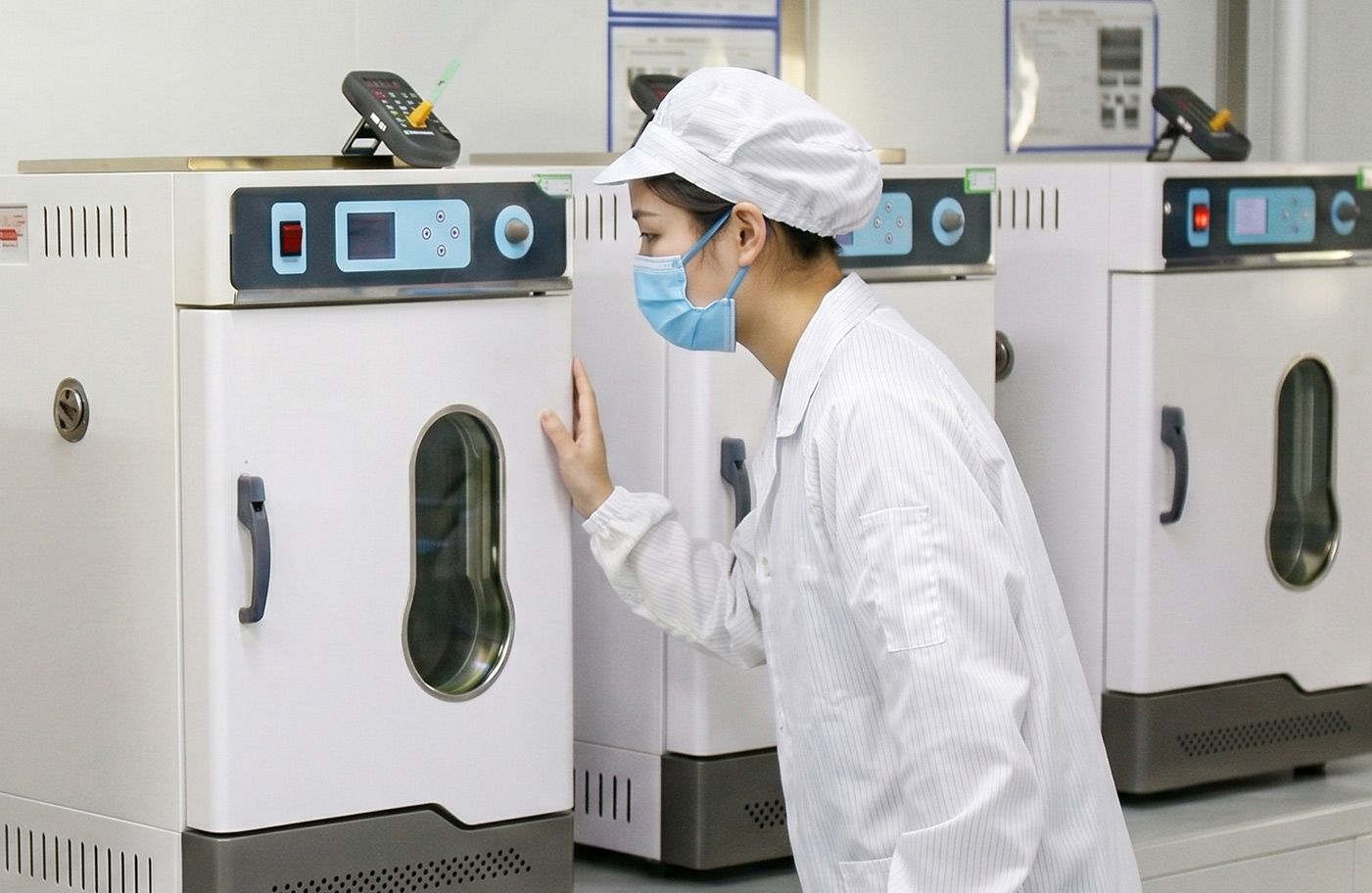
Our fluoropolymer extrusion specialists bring over 25 years of experience and deep knowledge of medical device regulations.
We maintain extensive knowledge in raw materials and operate dedicated laboratories for product development.
Our sales teams in China, Thailand and Europe provide worldwide coverage and responsive customer support.

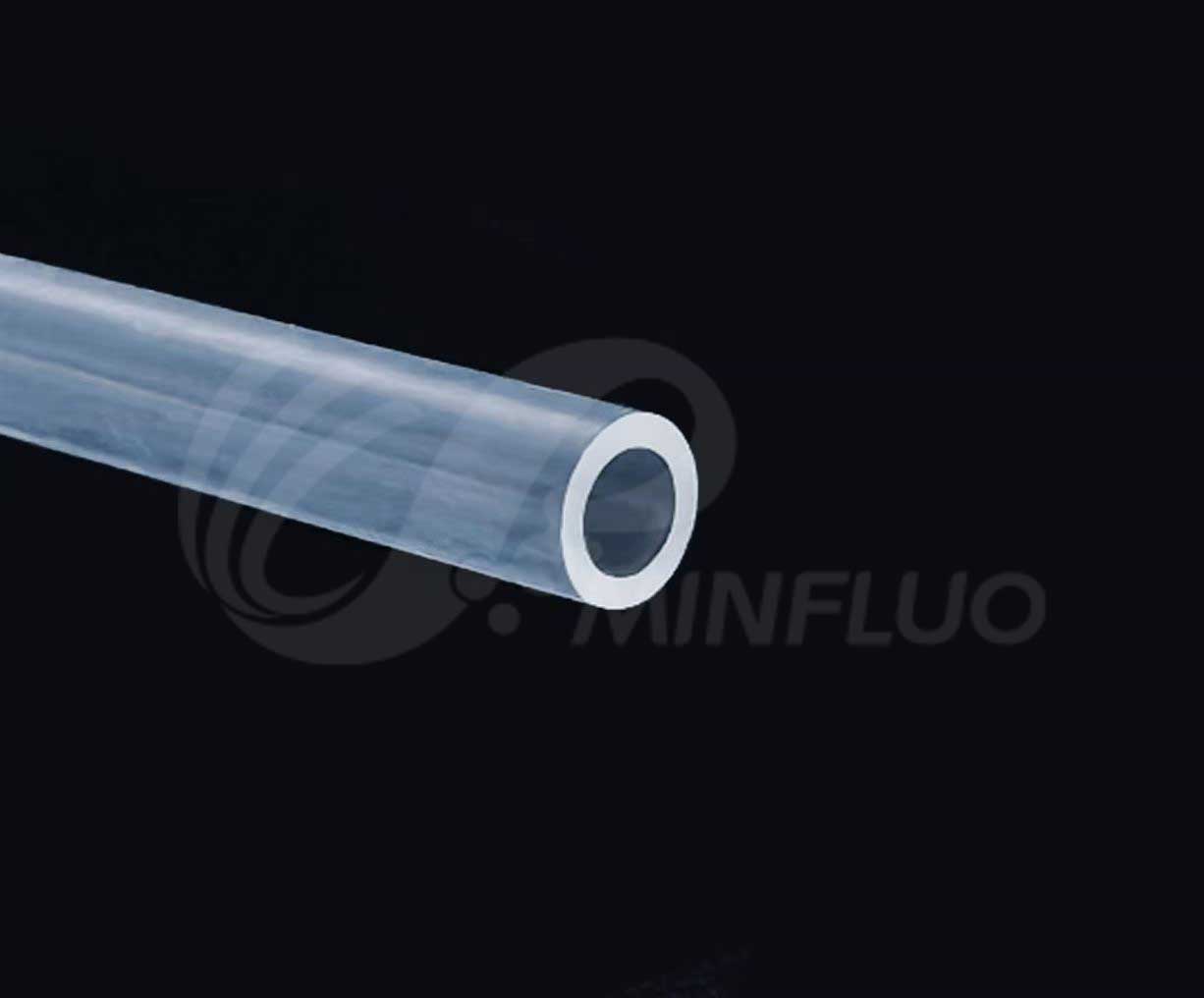
Why does the heat conduction of PTFE thin-walled tubes occur faster than that of thick-walled tubes?The core factor is the thermal resistance, and the wall thickness determines the heat transfer path.The inherent thermal conductivity of PTFE is relatively weak, and the tube wall is the main resistance layer for heat transfer. When heat transfers from the inside of the tube to the outside, it needs to pass through the entire tube wall. The thinner the wall thickness, the shorter the distance that heat needs to travel, and the lower the thermal resistance. Under the same temperature difference between the inside and outside, the smaller the thermal resistance, the faster the heat transfer rate. This is the fundamental logic behind the faster heat transfer of thin-walled tubes.For thick-walled PTFE tubes, heat needs to pass through more polymer materials, and there are more energy transfer links between molecules. The temperature gradient is elongated, and the resistance to heat penetration through the tube wall significantly increases. Even if the raw material is completely the same, only changing the wall thickness will result in significant differences in heat transfer performance. For PTFE materials with low thermal conductivity, the heat resistance brought by the tube wall often becomes the main limiting factor in the entire heat exchange system. The impact of changes in wall thickness is amplified.Structural characteristics of cylindrical wall heat transferPipe materials belong to cylindrical structures and differ from flat plate heat transfer. In thick-walled tubes, the difference in inner and outer radii is large, and the heat transfer area along the radial direction constantly changes, further increasing the heat transfer obstruction; in thin-walled tubes, the inner and outer dimensions are close, and the heat transfer state is closer to a flat wall, and heat transfer is more smooth. In heat exchange conditions, thin-walled tubes can establish temperature linkage on both sides of the tube wall more quickly, and the temperature change in the tube interior can be quickly reflected on the outer wall. In thick-walled tubes, there will be a significant temperature lag, and the temperature rise and fall responses will be slower.It should be noted that what is mentioned here is the **heat transfer rate**, not the change in the thermal conductivity properties of PTFE itself. The thermal conductivity coefficient of the material is determined by the molecular structure and will not change due to thinning. It only shortens the distance that heat travels and reduces the obstruction.Selection and trade-off, heat transfer and pressure-bearing balanceThe advantages of thin-walled tubes in heat transfer are prominent, but there are performance trade-offs. After the wall thickness is reduced, the pressure-bearing capacity and resistance to external force impact of the pipe material decrease, and the performance in terms of resistance to negative pressure and compression is not as good as that of thick-walled tubes. During processing and use, deformation is more likely to occur. Therefore, in heat exchangers, heating protection, temperature control pipelines, etc., thin-walled PTFE tubes are preferred, taking into account corrosion prevention and heat transfer efficiency; if the working conditions are high pressure, negative pressure, or prone to impact, thick-walled tubes need to be added to sacrifice some heat transfer performance for structural safety.At the same time, convective heat transfer on the surface will also jointly affect the overall effect. The temperature of the thin-walled tube's wall is closer to the medium temperature, and the temperature difference between the tube wall and the fluid is more stable, and the convective heat transfer efficiency is easier to be exerted; in thick-walled tubes, the temperature difference between the inner and outer walls is large, and the difference in temperature between the outer wall and the medium is obvious, and the overall heat transfer efficiency is limited.Key points for practical application controlWhen selecting PTFE pipe materials, one should not blindly pursue thin walls to improve heat transfer. In addition to pressure, factors such as thermal cycling, medium corrosion, installation bending, etc. should also be considered. Uniformity of wall thickness is also crucial; local thickening will form a local high point of thermal resistance, causing uneven heat transfer. In heat exchange system design, usually, within the limits of pressure resistance and service life, an appropriate thin-walled specification is selected to balance heat transfer efficiency, corrosion resistance, and structural stability.
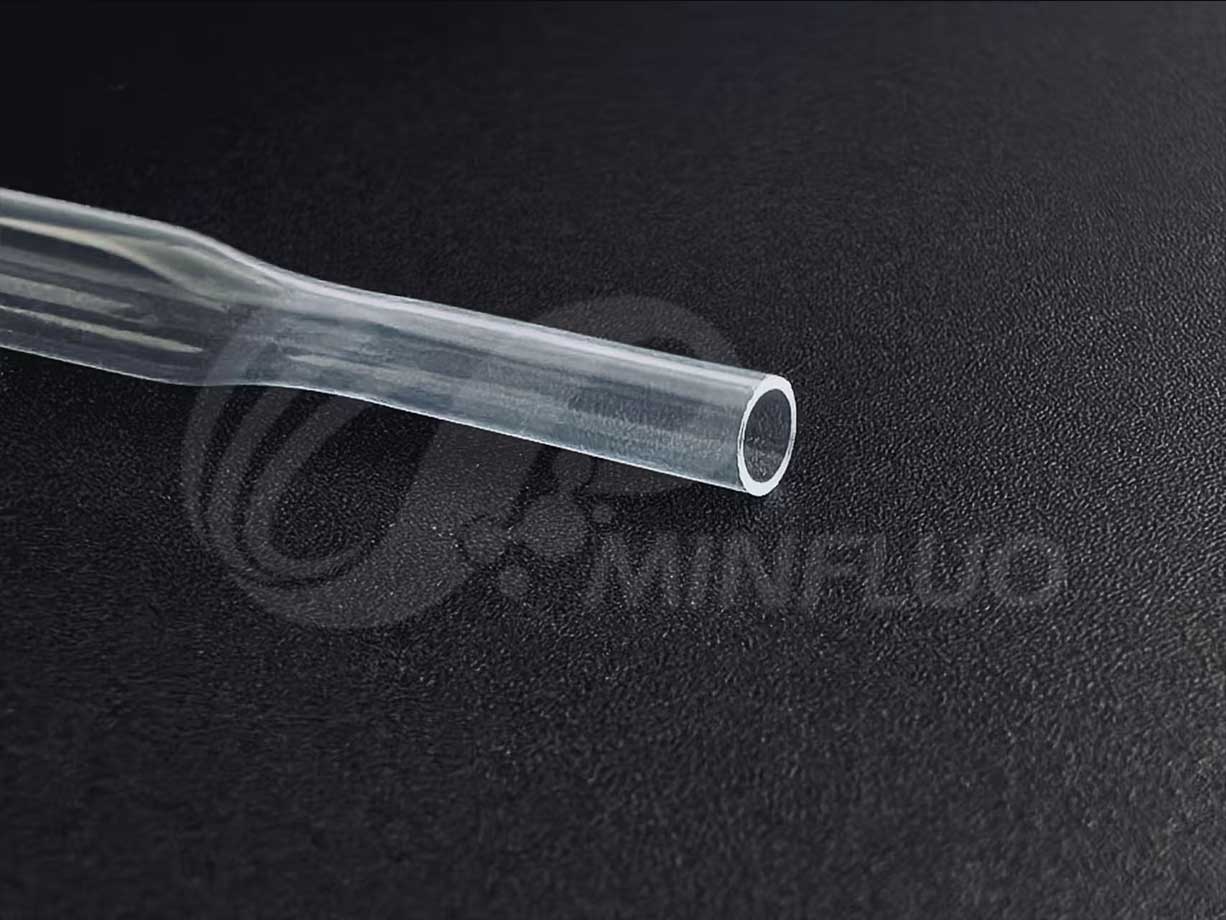
↗ 2026/11/6PTFE thin-walled pipe vs ordinary PTFE pipe, what's the difference?Structural and molding process differencesBoth have the same base material, polytetrafluoroethylene, which share the same basic material properties such as heat resistance, corrosion resistance, and insulation. The core difference lies in wall thickness, molding methods, and internal structure. Ordinary PTFE pipes have sufficient wall thickness, and after the preform is fully sintered, the structure is dense, and the overall rigidity is better; PTFE thin-walled pipes, however, require higher control accuracy during extrusion, stretching, and sintering, and need to control the uniformity of the wall thickness to avoid local thinning and pinhole defects. The processing is more difficult, and the tolerance for the finished product is smaller.The difference in wall thickness directly leads to differences in weight and flexibility. Thin-walled pipes are lightweight, easier to bend, and have a smaller bending radius; ordinary PTFE pipes are more rigid, less prone to bending, and have better resistance to compression. At the same time, thin-walled pipes are very sensitive to surface flaws, and even minor scratches or impurities can cause leakage. The production stage's filtration and cleanliness control standards are more stringent.Key points for pressure resistance, application, and selectionPressure resistance is the most crucial dividing line between the two. Ordinary PTFE pipes have sufficient wall thickness reserves and greater pressure capacity, and can be used in fluid transportation scenarios with relatively higher pressure and certain impact. Thin-walled pipes, however, are limited by their structure and have weaker pressure resistance. They are more suitable for low-pressure, stable medium environments. When subjected to large pressure fluctuations, they are prone to bulging and deformation, and long-term continuous stress can accelerate creep.In terms of application scenarios, they have different emphases. PTFE thin-walled pipes are mainly used in instrument lead sheaths, precise fluid sampling pipelines, micro-flow anti-corrosion pipelines, and situations requiring lightweight, small space wiring, prioritizing flexibility, small volume, and corrosion-resistant insulation properties. Ordinary PTFE pipes are mainly used in chemical anti-corrosion pipelines, equipment linings, and medium transportation with medium to large flow rates, focusing on pressure resistance, resistance to external force damage, and suitability for complex installation environments and prone-to-bump and compression locations.In addition, there are differences in cutting and assembly. When assembling thin-walled pipes, avoid sharp ports and excessive clamping to prevent pipe wall damage; the selection of adapters and clamping methods for ordinary PTFE pipes is more diverse.Selection cannot only rely on the material; it is necessary to prioritize confirming the system pressure, installation space, and whether there is external force compression. If the working pressure is high and the pipeline needs protection, ordinary PTFE pipes should be chosen first; if the space is limited, low-pressure fluid or cable protection is required, then thin-walled models can be selected. Before purchasing, it is recommended to combine the working conditions to conduct sample tests to confirm the bending and sealing effects.For more detailed product information, please feel free to consult us.
↗ 2026/10/30How strong are the temperature resistance, pressure resistance and corrosion resistance of FEP heat shrink tubing?Core Performance AnalysisFEP belongs to the category of fluoroplastics, inheriting the basic characteristics of fluorine materials while also taking into account the processing capabilities of heat shrink molding. The temperature resistance range is relatively wide, and it can be used stably in both high and low temperature environments. In high-temperature conditions, the material is not prone to softening or flowing, and can maintain stable insulation and shape for a long time; in low-temperature conditions, it is not prone to hardening and cracking, maintaining good flexibility and suitable for alternating temperature conditions.In terms of pressure resistance, FEP has an excellent insulation foundation, with a dense and uniform base material, without any pore defects, and stable insulation impedance performance. The inner wall of the formed heat shrink tubing is smooth, and after adhering to the covered component, it can form a continuous and complete insulation protection layer to resist voltage shock. The pressure resistance of the finished product is closely related to the wall thickness, processing technology, and surface cleanliness. Insufficient cleanliness will directly affect the insulation performance.Corrosion resistance is its prominent advantage. It can withstand most strong acids, strong bases, strong oxidants, and various organic solvents. In scenarios where chemical media are immersed and continuously contacted, it is not prone to swelling, erosion, decomposition, and will not be easily penetrated and damaged by the medium. Only a few special strong corrosive substances will have an impact on it. At the same time, the material itself does not absorb moisture, and its corrosion resistance and insulation performance will not significantly decline in a humid environment.Selection and Usage ConsiderationsCompared with PTFE and PFA heat shrink tubing, FEP has better overall balance, lower processing difficulty, and easier heat shrink molding. However, it does have boundaries. Continuous use at excessively high temperatures will accelerate material aging, gradually reducing insulation and corrosion resistance; sharp and hard objects scratching the tube wall will damage the dense structure, and the pressure resistance and corrosion resistance performance will subsequently decline.It is often used in electronic wire insulation, chemical pipeline anti-corrosion, instrument probe protection, etc., suitable for working conditions that require insulation, resistance to chemicals, and wide temperature ranges. For extreme high-temperature or long-term high-pressure alternating scenarios, other fluoropolymer materials such as PFA need to be evaluated.When selecting, in addition to referring to performance indicators, attention should also be paid to the adhesion degree after heat shrink molding, the uniformity of wall thickness, and whether the production process controls impurities and pores. Before formal batch application, it is recommended to conduct immersion and pressure aging tests under actual working conditions to verify the reliability of long-term use.If you need sample consultation, please feel free to contact us.
↗ 2026/10/22What is FEP heat shrink tubing? How is it different from PTFE heat shrink tubing and PFA heat shrink tubing?Material basis and molding characteristics FEP heat shrink tubing is a type of fluoropolymer heat shrink tubing. It is made from fluorinated ethylene-propylene copolymer as the raw material. By relying on the material's own memory effect, it shrinks and covers the surface of the workpiece after being heated, providing insulation, anti-corrosion, and protection functions. It is commonly used in the protection scenarios of precision cables and instrument components. The same series also includes PTFE heat shrink tubing and PFA heat shrink tubing. All of them belong to fluoropolymer products. They have excellent chemical resistance, temperature resistance, and insulation basic performance. However, the material structure, processing method, and usage characteristics are significantly different, and they cannot be substituted randomly.PTFE has poor fluidity and generally cannot be routinely extruded into heat shrink tubing. Most PTFE heat shrink tubes on the market have undergone special processing. It has a low friction coefficient, a wider temperature range, outstanding resistance to strong corrosion, higher rigidity, and relatively weaker rebound characteristics. The softness of the shrink fit is limited. It is mostly used in strong corrosion and special high-temperature working conditions. FEP has good melt flowability and can be extruded for molding. The heat shrink process is mature, and the tube wall is uniform after shrinking, with good transparency. The flexibility is moderate, and the processing difficulty is lower. It is a relatively common category of fluoropolymer heat shrink tubing. PFA is soluble polytetrafluoroethylene. Its melt flowability is better than FEP, and it has better stability at high temperatures. It has strong creep resistance and is less likely to deform under long-term stress. The finished product surface is smooth, suitable for long-term high-temperature and continuous pressure precision working conditions.Key points for selection and differentiationIn terms of transparency, FEP and PFA have better light transmission performance, making it convenient to observe the internal component status; PTFE is mostly in a semi-matte state, with poor transparency. In terms of flexibility, FEP has balanced bending performance; PFA is more rigid, with outstanding creep resistance; PTFE is harder and more brittle, and is more prone to cracking with repeated bending. The chemical resistance of all three is excellent, but in long-term high-temperature environments, PFA's performance degrades more slowly; in routine medium-temperature anti-corrosion and insulation scenarios, FEP is more cost-effective; for extremely strong corrosion and high-temperature working conditions, PTFE should be preferred. In addition, the processing compatibility of the three is different. The heat shrink temperature of FEP is easier to control; PFA requires a higher temperature for shrinking; PTFE has a higher heat shrink operation threshold and strict heating process requirements. When selecting, consider the operating temperature, whether visual inspection is required, the frequency of bending, and the corrosive medium comprehensively. Before formal use, you can conduct a small sample heat shrink test to confirm the covering and fitting effect.
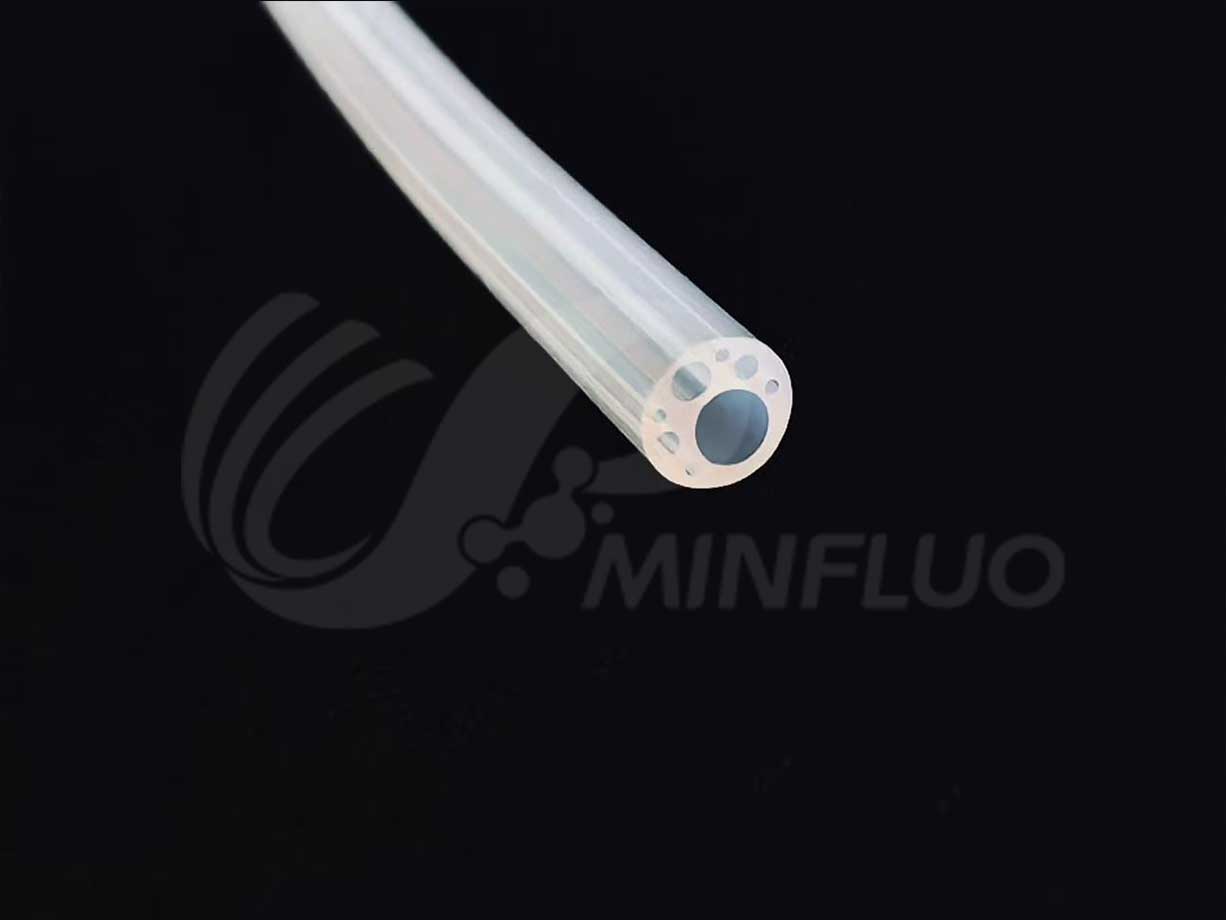
↗ 2026/10/16How is the PTFE multi-chamber tube produced? This article thoroughly explains the process.Mixing and pre-formingThe PTFE multi-chamber tube is made from polytetrafluoroethylene powder as the base material. First, the powder is mixed thoroughly with additives in accordance with the ratio to ensure uniformity of the material. The mixed powder is then left to stand and mature to eliminate the internal stress caused by the mixing process and stabilize the material's fluidity.Subsequently, the powder is filled into a dedicated mold and pre-formed through compression molding to obtain a pre-formed body. The mold has a multi-chamber core structure, which is crucial for forming the porous channels. The pressing process is controlled smoothly to avoid core displacement and uneven wall thickness of the cavities. The pre-formed body must ensure structural integrity without delamination or void defects.Pushing and forming and dryingThe pre-formed body is sent to the pushing equipment. Under the pressure, it is pushed through the forming orifice mold to continuously extrude tube-shaped pre-forms with multiple independent inner holes. During the extrusion process, the pushing speed needs to be controlled to ensure synchronous formation of each cavity and prevent deviations in cavity wall thickness.The freshly extruded raw tube contains additives and has a soft texture. It needs to be sent to the drying process to gradually remove the additives. The drying temperature rise rhythm should be gentle, as rapid heating can cause the tube to bubble and the cavity to deform. After drying, a stable raw tube is obtained.Sintering, shaping and post-inspectionThe dried raw tube enters the high-temperature sintering furnace and is heated and maintained at the set curve to allow the PTFE resin to fully melt and bond, forming a dense and stable tube structure. Sintering is the core process that determines the temperature resistance and corrosion resistance of the tube material. The temperature and holding time control are strict, and abnormal temperatures can cause cracking and cavity adhesion.After sintering cooling, the tube undergoes correction and shaping to correct deformation and ensure the straightness of the multi-chamber channels. Finally, appearance and cavity inspection are conducted to check for blockages, cracks, and uneven wall thickness, and qualified products are cut into fixed-length finished products.Process summaryThe production difficulties of PTFE multi-chamber tubes lie in the positioning of multi-chamber cores, the synchronization of extrusion, and the control of sintering. Compared to single-chamber PTFE tubes, the multi-chamber structure is more prone to cavity eccentricity and cavity blockage problems, requiring higher mold precision and process stability. It is mostly used in fluid separation, insulation, and sealing scenarios. If you need sample consultation, please feel free to contact us.
↗