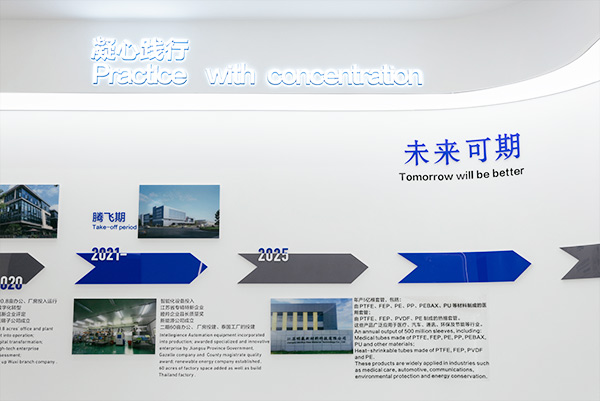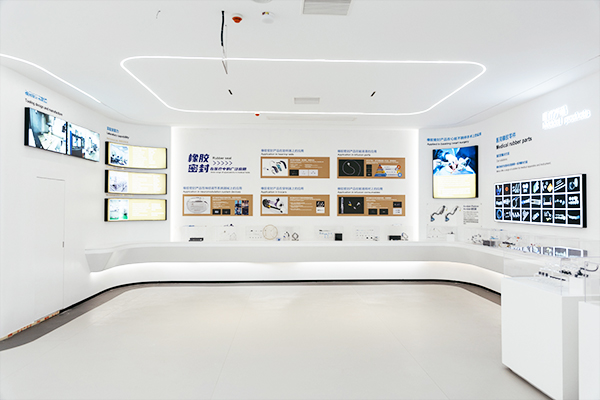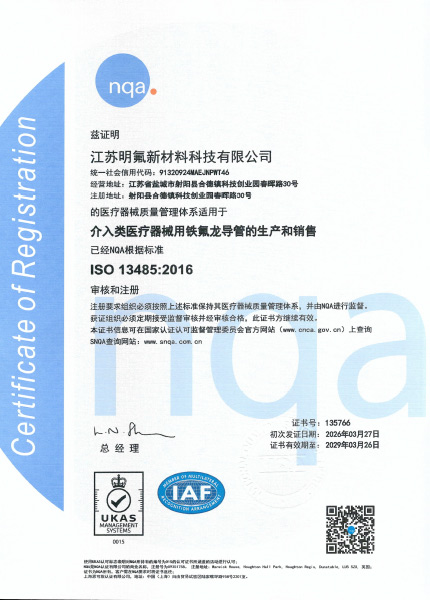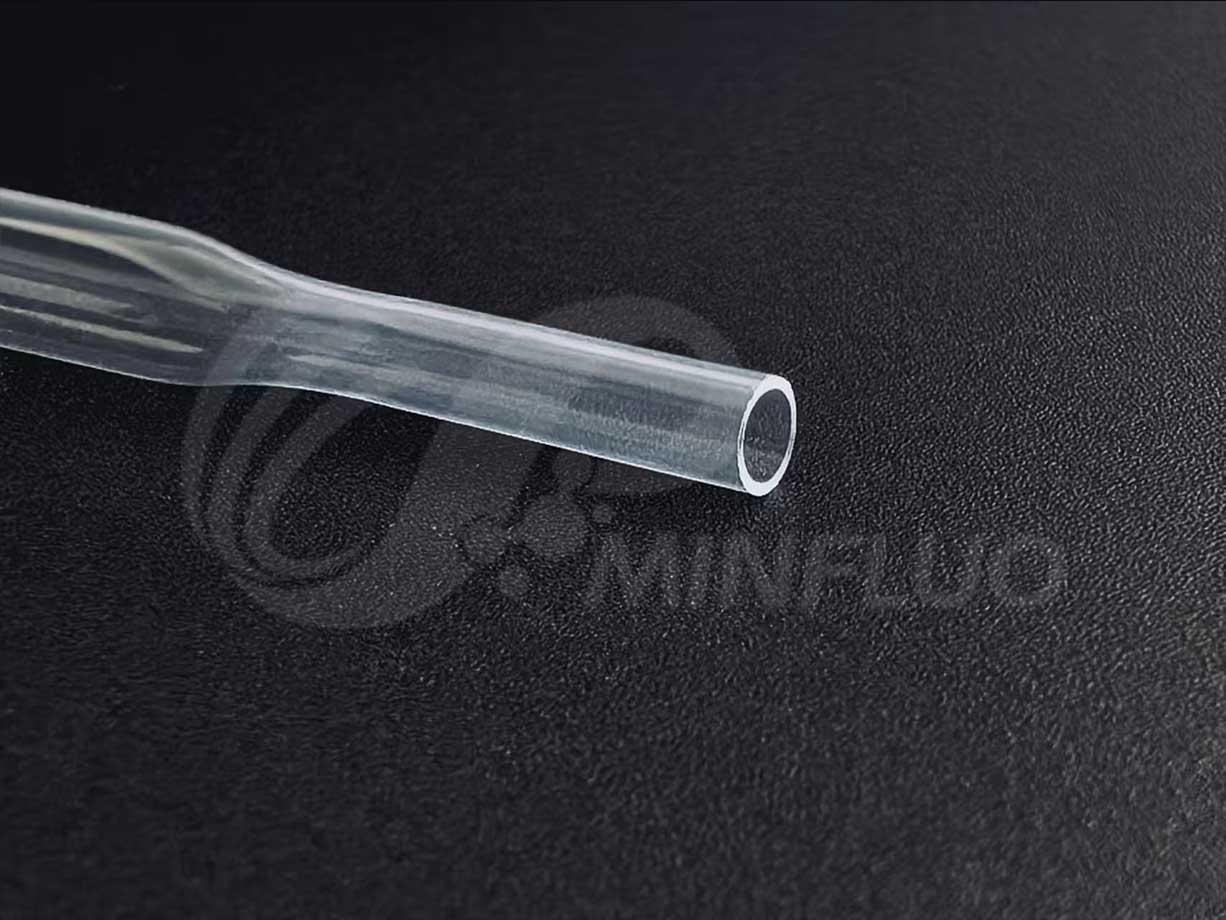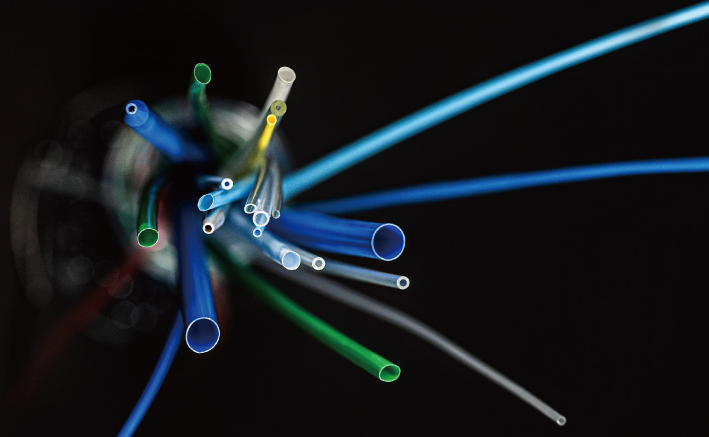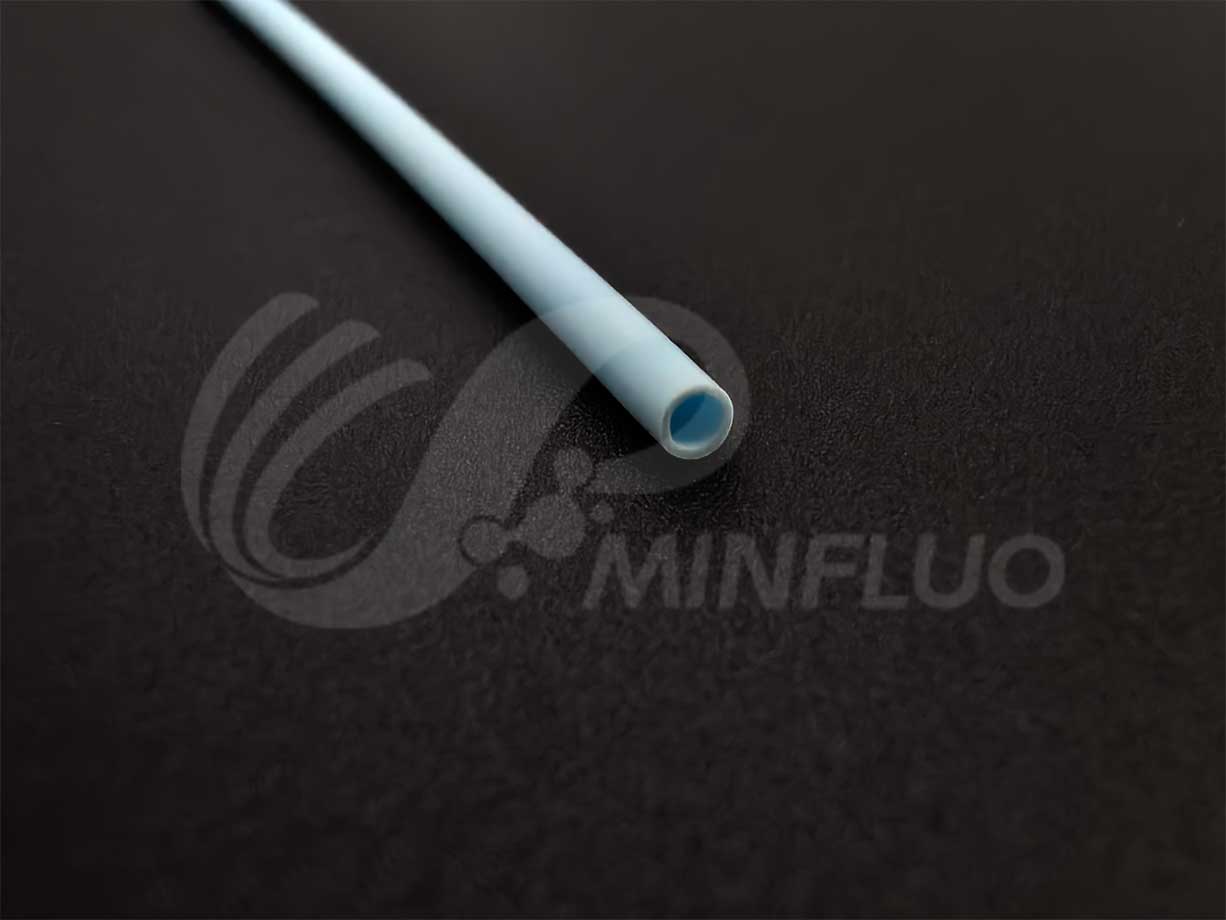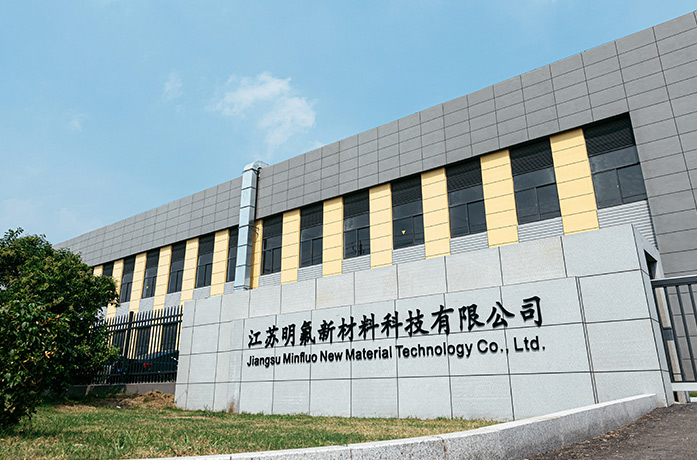
Jiangsu Minfluo New Material Technology Co., Ltd. specializes in the research, development, manufacturing, and sales of fluoropolymer extruded tubing, with a strong focus on the medical catheter industry. Backed by Mingke Group and supported by a professional technical team, the company is committed to providing one-stop medical catheter solutions for medical device manufacturers worldwide. Equipped with a comprehensive mold workshop, physical, chemical, and biological laboratories, as well as advanced international extrusion and testing equipment, the company ensures product safety, reliability, and consistency through a complete quality management system certified to ISO 9001 and ISO 13485 standards. Driven by technological innovation and stringent quality control, Jiangsu Minfluo is dedicated to advancing medical device development and strives to become a trusted global supplier of fluoropolymer medical tubing solutions, helping safeguard human health through high-quality medical materials.
25 years in fluoroplastics: integrated R&D, production and sales, empowering global customized precision manufacturing for medical devices
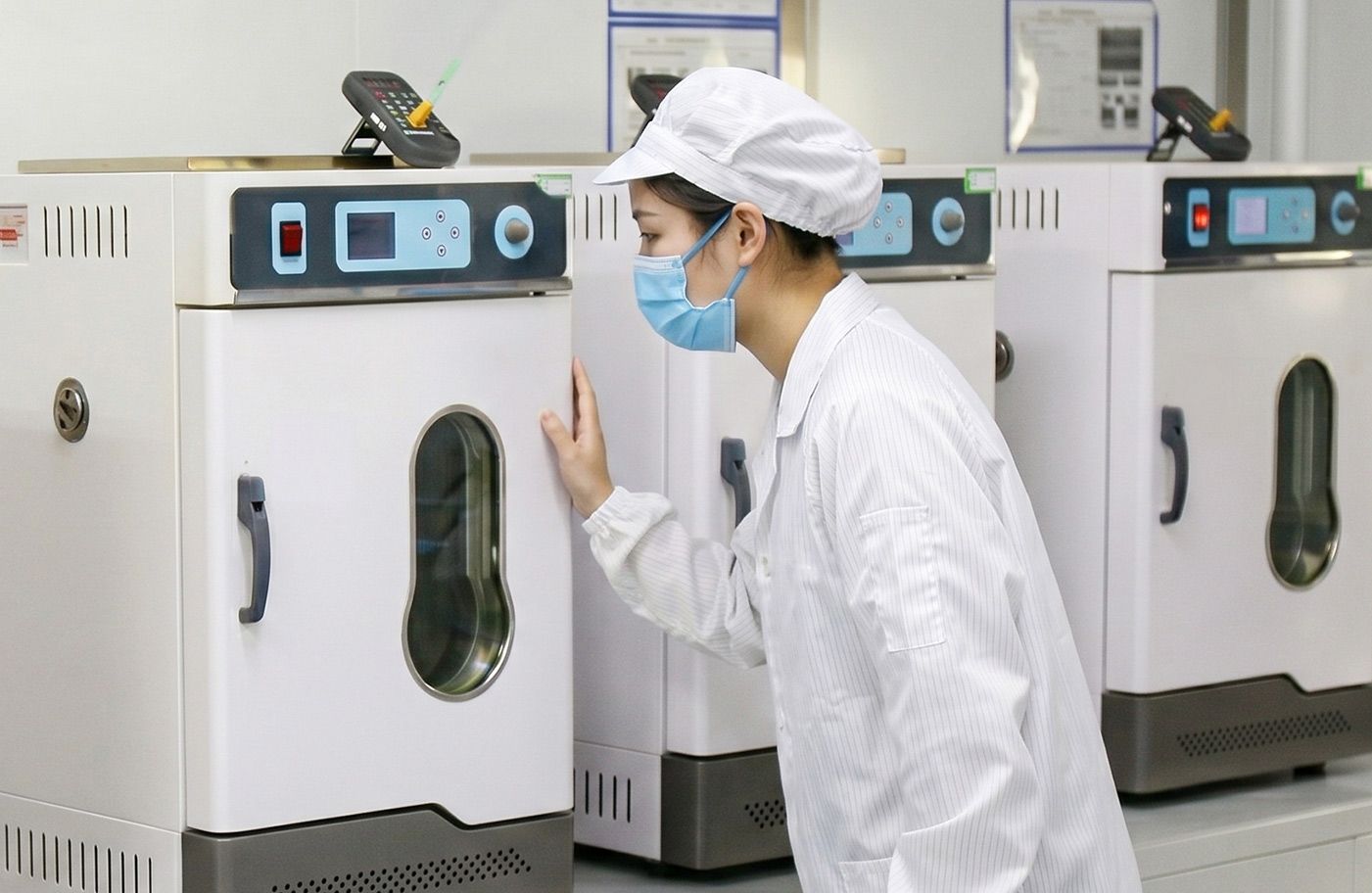
Our fluoropolymer extrusion specialists bring over 25 years of experience and deep knowledge of medical device regulations.
We maintain extensive knowledge in raw materials and operate dedicated laboratories for product development.
Our sales teams in China, Thailand and Europe provide worldwide coverage and responsive customer support.

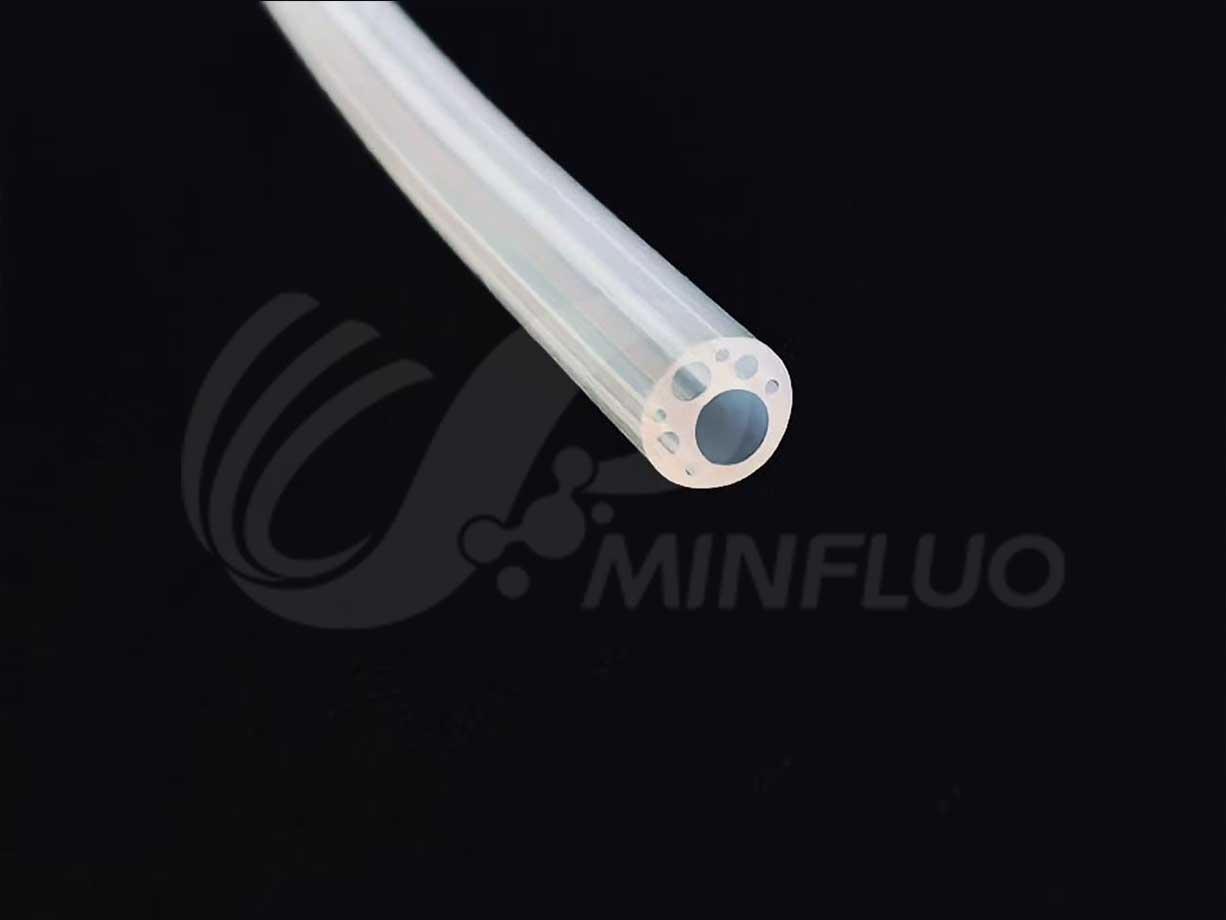
How is the PTFE multi-chamber tube produced? This article thoroughly explains the process.Mixing and pre-formingThe PTFE multi-chamber tube is made from polytetrafluoroethylene powder as the base material. First, the powder is mixed thoroughly with additives in accordance with the ratio to ensure uniformity of the material. The mixed powder is then left to stand and mature to eliminate the internal stress caused by the mixing process and stabilize the material's fluidity.Subsequently, the powder is filled into a dedicated mold and pre-formed through compression molding to obtain a pre-formed body. The mold has a multi-chamber core structure, which is crucial for forming the porous channels. The pressing process is controlled smoothly to avoid core displacement and uneven wall thickness of the cavities. The pre-formed body must ensure structural integrity without delamination or void defects.Pushing and forming and dryingThe pre-formed body is sent to the pushing equipment. Under the pressure, it is pushed through the forming orifice mold to continuously extrude tube-shaped pre-forms with multiple independent inner holes. During the extrusion process, the pushing speed needs to be controlled to ensure synchronous formation of each cavity and prevent deviations in cavity wall thickness.The freshly extruded raw tube contains additives and has a soft texture. It needs to be sent to the drying process to gradually remove the additives. The drying temperature rise rhythm should be gentle, as rapid heating can cause the tube to bubble and the cavity to deform. After drying, a stable raw tube is obtained.Sintering, shaping and post-inspectionThe dried raw tube enters the high-temperature sintering furnace and is heated and maintained at the set curve to allow the PTFE resin to fully melt and bond, forming a dense and stable tube structure. Sintering is the core process that determines the temperature resistance and corrosion resistance of the tube material. The temperature and holding time control are strict, and abnormal temperatures can cause cracking and cavity adhesion.After sintering cooling, the tube undergoes correction and shaping to correct deformation and ensure the straightness of the multi-chamber channels. Finally, appearance and cavity inspection are conducted to check for blockages, cracks, and uneven wall thickness, and qualified products are cut into fixed-length finished products.Process summaryThe production difficulties of PTFE multi-chamber tubes lie in the positioning of multi-chamber cores, the synchronization of extrusion, and the control of sintering. Compared to single-chamber PTFE tubes, the multi-chamber structure is more prone to cavity eccentricity and cavity blockage problems, requiring higher mold precision and process stability. It is mostly used in fluid separation, insulation, and sealing scenarios. If you need sample consultation, please feel free to contact us.
↗ 2026/9/18Analysis of the Characteristics and Application Domains of FEP Heat-Shrink TubingFEP Heat-Shrink Tubing is a special type of heat-shrink sleeve made from fluorinated ethylene-propylene copolymer. It is a fluorine-containing polymer product and is widely used in various cable protection scenarios across multiple industries due to its comprehensive material properties.Core Material CharacteristicsFEP Heat-Shrink Tubing exhibits excellent temperature resistance, capable of stable operation in alternating high and low temperatures. The material itself does not deform easily. It has excellent chemical stability, being resistant to most acids, bases, and solvents, and thus not prone to corrosion. It also has low friction surface properties, reliable insulation performance, water and moisture resistance, aging resistance, and slow material performance degradation over a long period. The processing is convenient, and after heating, it can shrink and adhere to the workpiece surface, forming a tight covering layer that is not likely to fall off. The material itself is non-sticky and can meet the protective requirements of some special working conditions.Main Application DomainsThe electronic and electrical industry is the main application domain for FEP heat-shrink tubing, used for insulation protection of various wiring harnesses and components, providing insulation isolation and wear resistance to ensure circuit safety. In the chemical equipment field, it is used for external protection of pipe fittings and probes to resist chemical medium erosion. In the instrumentation and metering industry, it can cover and protect precision sensing components, reducing interference from the external environment.In aerospace and new energy equipment, it is often used to protect internal circuits to cope with complex and variable working environments. In the medical equipment field, it relies on stable and safe material properties to be used for the protection of some component assemblies. Additionally, it can also be used for the encapsulation of food processing equipment components to meet the requirements of related environments.Overall, FEP heat-shrink tubing, with its stable physical and chemical properties, is suitable for various harsh working conditions. As an insulation protection material, it plays an irreplaceable role in high-end manufacturing and precision equipment fields and is a commonly used supporting consumable in industrial protection solutions.
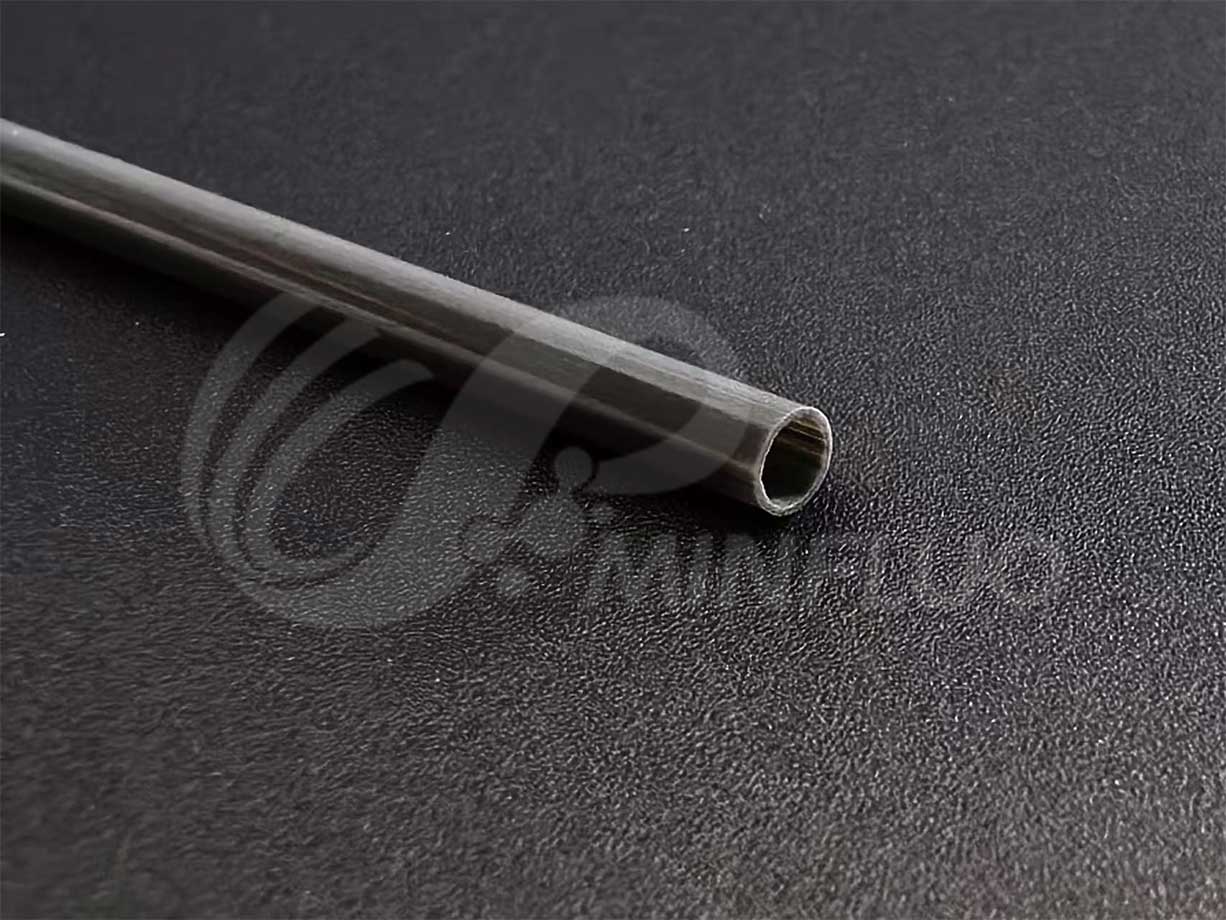
↗ 2026/9/11PTFE shaft: A high-temperature and corrosion-resistant supporting componentIn industrial environments with high temperatures, corrosiveness, or high cleanliness requirements, ordinary metal shafts often encounter problems such as oxidation, corrosion, or reactions with contacting materials. PTFE shafts are manufactured from polytetrafluoroethylene (PTFE), a material with inherent chemical inertness and heat resistance. This provides a stable and reliable supporting solution for such conditions.PTFE, or polytetrafluoroethylene, is a relatively mature fluoropolymer. Its molecular structure is formed by strong covalent bonds between carbon atoms and fluorine atoms. The fluorine atoms are tightly wrapped around the carbon chain, creating an effective protective barrier. This structure gives PTFE excellent chemical inertness - it has good resistance to most acids, bases, organic solvents, and oxidants, and is not prone to swelling, dissolution, or degradation in highly corrosive media. Additionally, PTFE's heat resistance is particularly outstanding, allowing it to maintain physical stability within a wide temperature range and is suitable for supporting and isolating purposes in high-temperature environments.Another notable feature of PTFE shafts is their low friction coefficient and non-stickiness. Their surface energy is extremely low, resulting in a small friction coefficient with most materials. When used as winding shafts, guide shafts, or support shafts, they can reduce frictional resistance between the shaft and the contacting material, facilitating the removal of products and their detachment. This characteristic is of practical significance in the production of films, tapes, composite material prepregs, and rubber products, effectively reducing scratches and adhesion on the product surface.In terms of electrical insulation, PTFE has excellent dielectric properties. When used in electronic, electrical, and semiconductor manufacturing environments, the shafts will not cause electromagnetic interference to surrounding components and will not adsorb dust due to static accumulation. Moreover, PTFE material itself is non-toxic and odorless, meeting the basic hygiene requirements for contact materials in food and medical fields, and can be used as supporting and guiding components in related industries.In terms of application distribution, the main uses of PTFE shafts include: as winding shafts in film and tape production, utilizing their non-stickiness to achieve smooth unwinding; as support shafts in the molding of composite materials prepregs and rubber products, facilitating product demolding; as corrosion-resistant supporting components in chemical and pharmaceutical equipment, performing positioning and guiding functions in reaction vessels, pipelines, and pump bodies; as insulation support components in electronic components and semiconductor manufacturing; and as sanitary guiding shafts in food processing equipment.It should be noted that the mechanical strength of PTFE is relatively limited. In cases where large radial loads need to be borne or high rigidity support is required, a composite structure of PTFE-coated metal shafts can be selected to balance corrosion resistance and structural strength. Moreover, the size of PTFE may fluctuate with temperature changes, and the impact of temperature on the mating clearance needs to be considered in precise fitting applications.In summary, PTFE shafts are industrial supporting components characterized by chemical inertness, heat resistance, and non-stickiness. Based on the inherent properties of the material, they serve applications in industries such as chemical, electronics, composite materials, and food processing that have clear requirements for corrosion resistance and cleanliness. They are a mature product that has been verified through long-term use. When choosing PTFE shafts, a comprehensive assessment of the temperature, medium, and load conditions of the specific application is necessary.
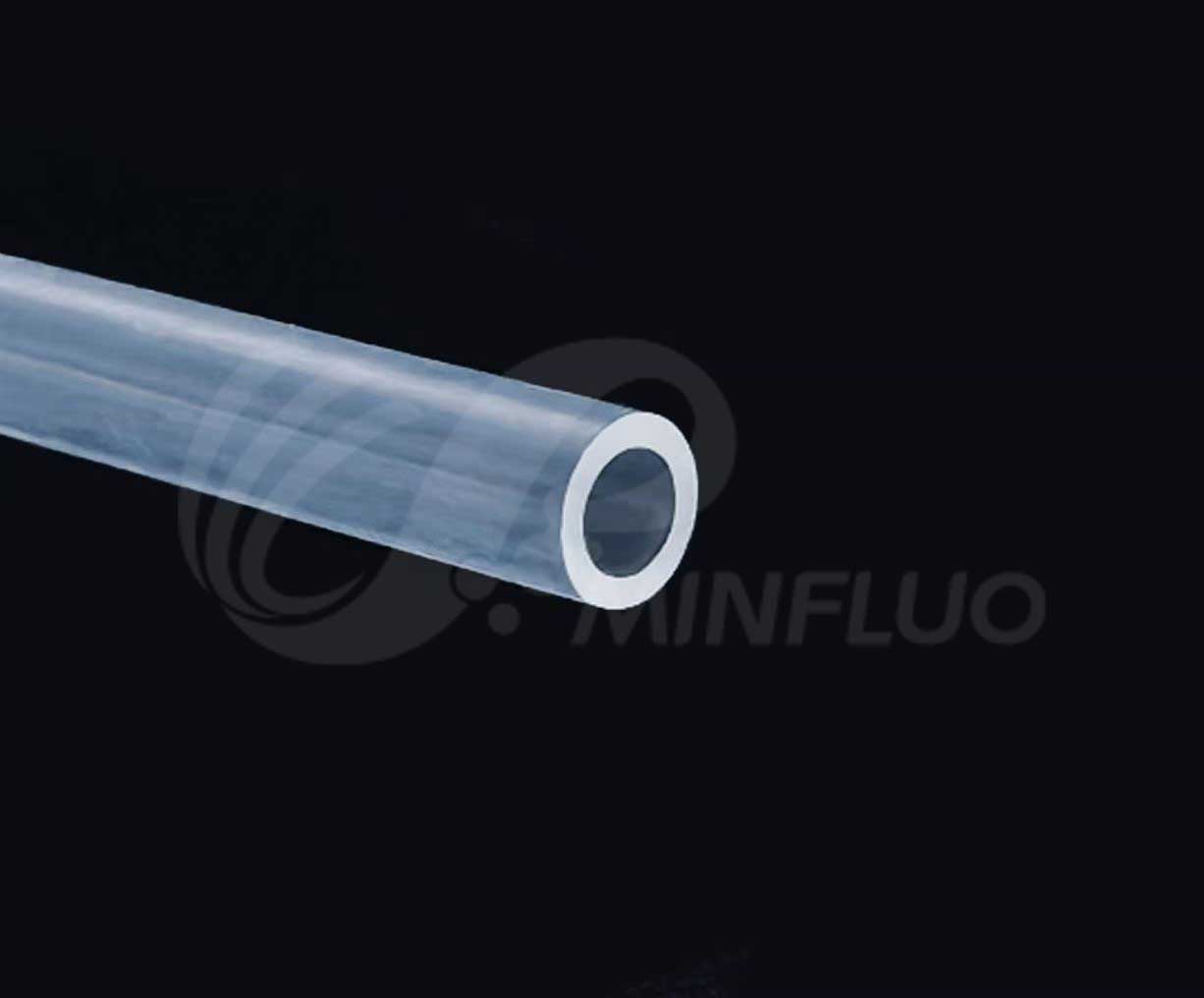
↗ 2026/9/3PTFE heat shrink tubing - resistant to high temperatures and corrosion - stable insulation - industrial precision protective sleevePTFE heat shrink tubing is a high-performance heat shrink sleeve made from polytetrafluoroethylene material. It is produced through extrusion molding, irradiation cross-linking, high-temperature expansion, and shaping processes. The product is developed based on the excellent physical and chemical properties of polytetrafluoroethylene and processed using mature heat shrink technology. It features stable shrinking performance and comprehensive protective capabilities, and is widely used in industrial fields such as electronics and electrical appliances, precision instruments, new energy, line insulation, fluid pipeline anti-corrosion, equipment protection, etc. It is a commonly used protective accessory for high-end equipment.This product has a transparent and regular appearance, with uniform thickness of the pipe wall, a smooth surface without any flaws, and good overall flexibility. It can be adapted to various irregular components for wrapping and protection. The product undergoes uniform heat shrinkage, with a smooth and stable contraction process that fits tightly, and there will be no wrinkling, hollowing, cracking, etc. It meets the requirements of precise encapsulation processing. The cutting of the sleeve is convenient, and the construction operation is simple. It is suitable for batch automated processing and manual assembly scenarios, with wide applicability.PTFE heat shrink tubing has excellent temperature resistance performance, which can adapt to complex working environments with alternating high and low temperatures. It is stable in long-term use and is not prone to problems such as hardening, brittleness, and deformation due to temperature changes. The material has excellent insulation performance and stable dielectric properties, which can provide reliable insulation isolation protection for circuits, terminals, and precision components, effectively avoiding safety hazards such as leakage, short circuits, and breakdown, and ensuring the safe and stable operation of electrical equipment.The product has outstanding chemical corrosion resistance, can withstand the erosion of most acid, alkali solvents, oils, and corrosive media, and is not prone to corrosion and aging. It is suitable for use in the anti-corrosion protection of chemical equipment, fluid pipelines, and outdoor equipment. At the same time, the surface friction coefficient of the sleeve is low, with good self-lubrication and anti-adhesion properties, and is not prone to dust accumulation and dirt. It has excellent aging resistance and weathering performance, and can maintain stable performance in long-term outdoor and complex working conditions, with a long service life.The enterprise strictly follows industrial pipe material production standards, controlling each step from raw material selection, molding processing, cross-linking treatment to product inspection to ensure uniform specifications and stable performance of each batch of products. With reliable insulation protection, temperature resistance, wear resistance, anti-adhesion, and other comprehensive advantages, PTFE heat shrink tubing can meet the protection needs of precision industrial equipment, providing stable and long-lasting encapsulation protection solutions for various high-end electrical, mechanical, and new energy equipment.
↗ 2026/8/28PTFE Multi-chamber Tube - Low Resistance, Corrosion-resistant, Precise Structure, Integrated Special Tube MaterialThis PTFE Multi-chamber Tube is made from polytetrafluoroethylene (PTFE) as the base material, through precise extrusion and integrated molding processes. The tube body integrates multiple independent chambers, with each channel not connected to each other and having clear divisions. It replaces the traditional multi-tube combination structure and is more compact and regular overall. Relying on the excellent properties of PTFE material itself, the product has advantages such as low friction, corrosion resistance, high-temperature resistance, and biocompatibility. It is widely used in high-end fields such as precision medical devices, instrument sensing, fluid transportation, and precision electronics.This product is produced using an integrated molding process, without the need for secondary bonding and assembly. The overall structure of the tube body is strong, the wall thickness is uniform and stable, and the cavity arrangement is regular. This effectively avoids the problems of loose, displaced, or detached split pipelines. The inner and outer walls of the tube are smooth and flat, with a low friction coefficient, allowing smooth fluid passage, and reducing the retention of media and the growth of dirt. It has good self-cleaning performance, maintaining the cleanliness and smoothness of the channels over a long period of use, suitable for high-precision and high-cleanliness transportation and passage conditions.The chemical stability of this PTFE Multi-chamber Tube is excellent. It is resistant to various acid and alkali solvents and corrosive media, and is not easily corroded, swollen, or aged and deteriorated by the media. It is suitable for complex chemical fluids and special media transportation scenarios. At the same time, it has a wide temperature range and can maintain stable physical properties in conventional high and low temperature environments, without softening, cracking, or deformation. Its environmental adaptability is outstanding, capable of meeting the long-term usage requirements of various harsh conditions.The multi-chamber independent structure is the core advantage of this product. It can achieve simultaneous operation of fluid transportation, wire passage, pressure monitoring, and medium drainage functions within a single tube. This significantly simplifies the equipment and pipeline layout, saves installation space, and makes the supporting equipment structure more streamlined and compact. The product has good flexibility, can be moderately bent and shaped, and has flexible wiring layout, suitable for the installation and use in the narrow spaces of precision equipment, and the cavities are not prone to collapse or blockage after bending, with strong operational stability.The enterprise follows the production standards for precision tubes, strictly controlling processes such as raw material purification, extrusion molding, structural calibration, and appearance inspection throughout the production process, ensuring the accuracy of each batch of tube dimensions, uniform structure, and stable performance. The product has high cleanliness, good safety, and excellent biocompatibility, meeting the compliance requirements of high-end civilian and precision industrial applications. With stable quality and the integrated multi-functional advantages, PTFE multi-chamber tubes provide reliable pipeline solutions for precision equipment.
↗