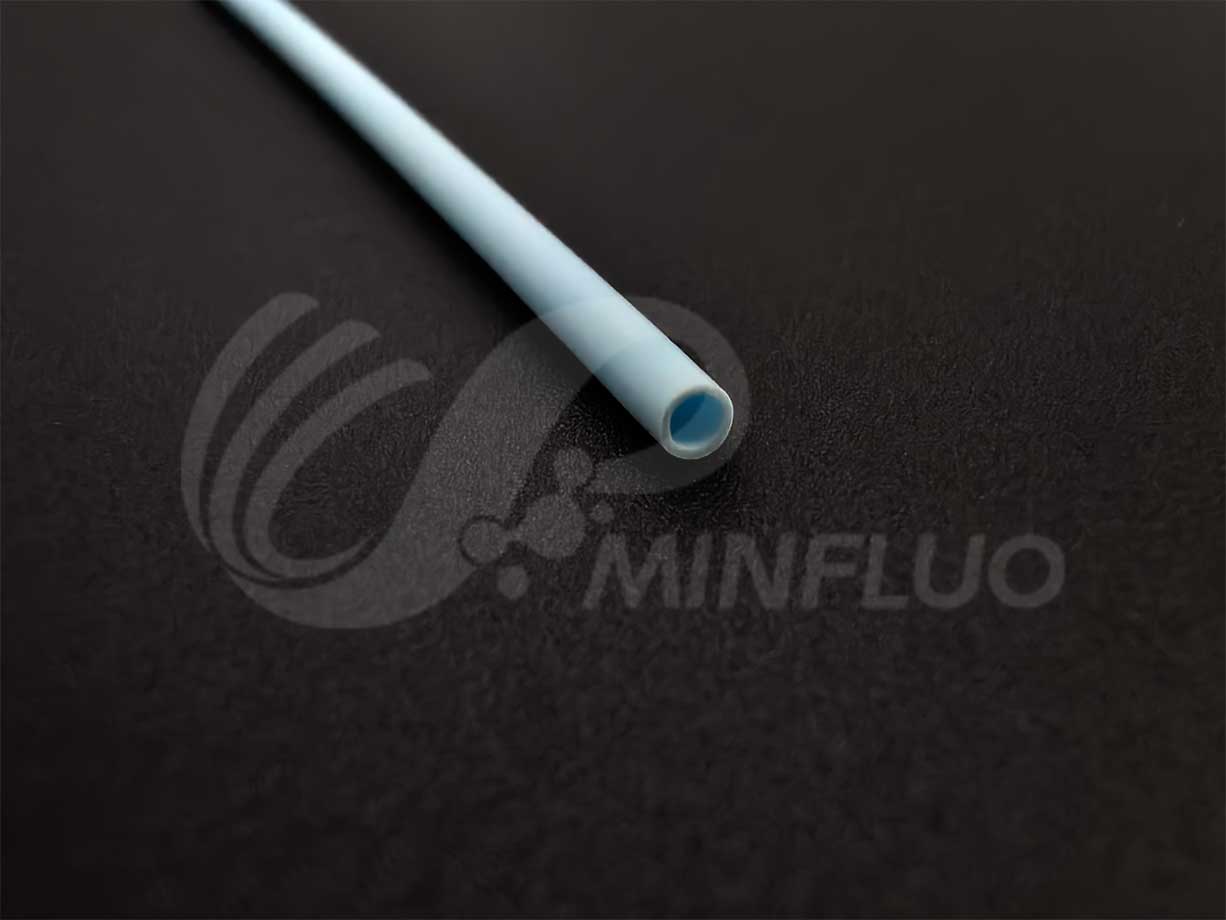
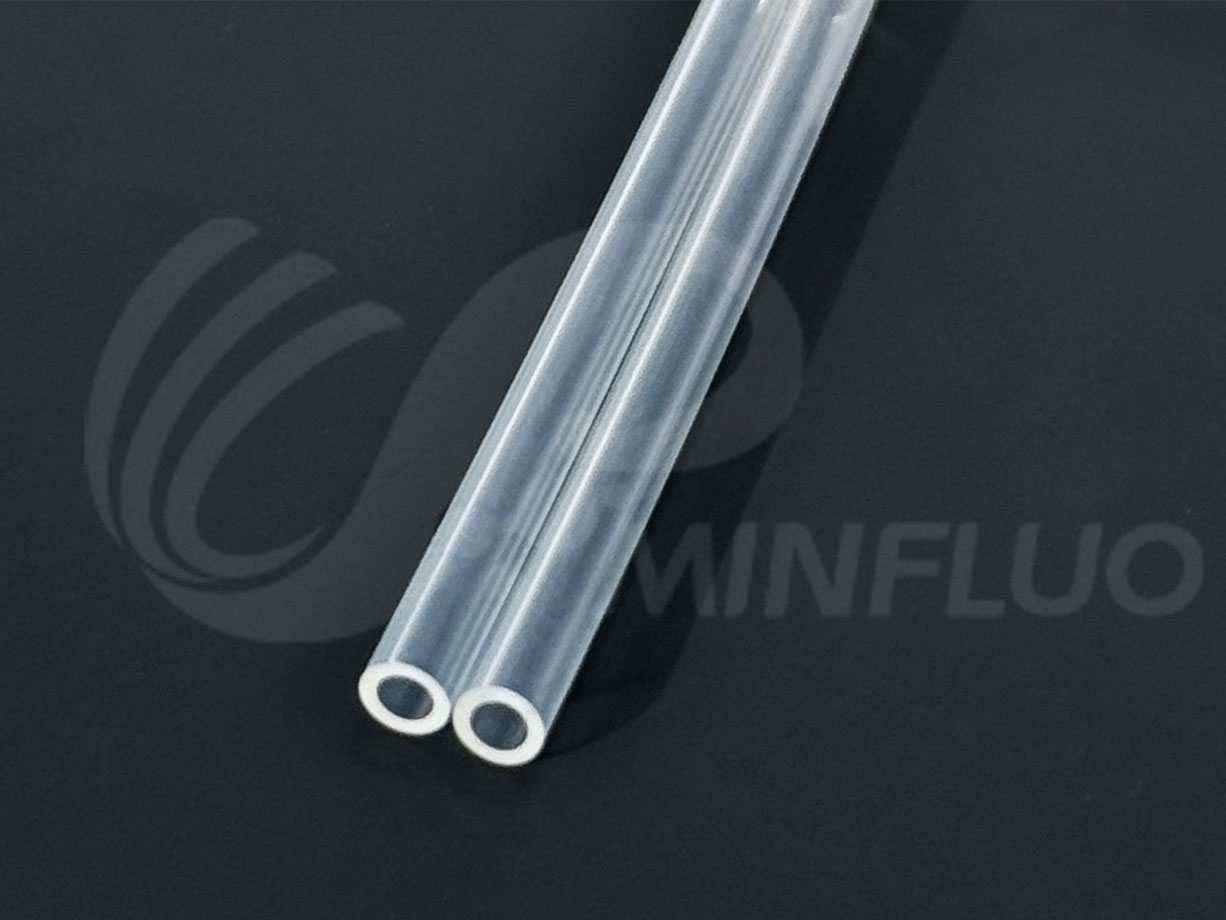
PTFE shaft: A high-temperature and corrosion-resistant supporting component
PTFE shaft: A high-temperature and corrosion-resistant supporting component
In industrial environments with high temperatures, corrosiveness, or high cleanliness requirements, ordinary metal shafts often encounter problems such as oxidation, corrosion, or reactions with contacting materials. PTFE shafts are manufactured from polytetrafluoroethylene (PTFE), a material with inherent chemical inertness and heat resistance. This provides a stable and reliable supporting solution for such conditions.
PTFE, or polytetrafluoroethylene, is a relatively mature fluoropolymer. Its molecular structure is formed by strong covalent bonds between carbon atoms and fluorine atoms. The fluorine atoms are tightly wrapped around the carbon chain, creating an effective protective barrier. This structure gives PTFE excellent chemical inertness - it has good resistance to most acids, bases, organic solvents, and oxidants, and is not prone to swelling, dissolution, or degradation in highly corrosive media. Additionally, PTFE's heat resistance is particularly outstanding, allowing it to maintain physical stability within a wide temperature range and is suitable for supporting and isolating purposes in high-temperature environments.
Another notable feature of PTFE shafts is their low friction coefficient and non-stickiness. Their surface energy is extremely low, resulting in a small friction coefficient with most materials. When used as winding shafts, guide shafts, or support shafts, they can reduce frictional resistance between the shaft and the contacting material, facilitating the removal of products and their detachment. This characteristic is of practical significance in the production of films, tapes, composite material prepregs, and rubber products, effectively reducing scratches and adhesion on the product surface.
In terms of electrical insulation, PTFE has excellent dielectric properties. When used in electronic, electrical, and semiconductor manufacturing environments, the shafts will not cause electromagnetic interference to surrounding components and will not adsorb dust due to static accumulation. Moreover, PTFE material itself is non-toxic and odorless, meeting the basic hygiene requirements for contact materials in food and medical fields, and can be used as supporting and guiding components in related industries.
In terms of application distribution, the main uses of PTFE shafts include: as winding shafts in film and tape production, utilizing their non-stickiness to achieve smooth unwinding; as support shafts in the molding of composite materials prepregs and rubber products, facilitating product demolding; as corrosion-resistant supporting components in chemical and pharmaceutical equipment, performing positioning and guiding functions in reaction vessels, pipelines, and pump bodies; as insulation support components in electronic components and semiconductor manufacturing; and as sanitary guiding shafts in food processing equipment.
It should be noted that the mechanical strength of PTFE is relatively limited. In cases where large radial loads need to be borne or high rigidity support is required, a composite structure of PTFE-coated metal shafts can be selected to balance corrosion resistance and structural strength. Moreover, the size of PTFE may fluctuate with temperature changes, and the impact of temperature on the mating clearance needs to be considered in precise fitting applications.
In summary, PTFE shafts are industrial supporting components characterized by chemical inertness, heat resistance, and non-stickiness. Based on the inherent properties of the material, they serve applications in industries such as chemical, electronics, composite materials, and food processing that have clear requirements for corrosion resistance and cleanliness. They are a mature product that has been verified through long-term use. When choosing PTFE shafts, a comprehensive assessment of the temperature, medium, and load conditions of the specific application is necessary.