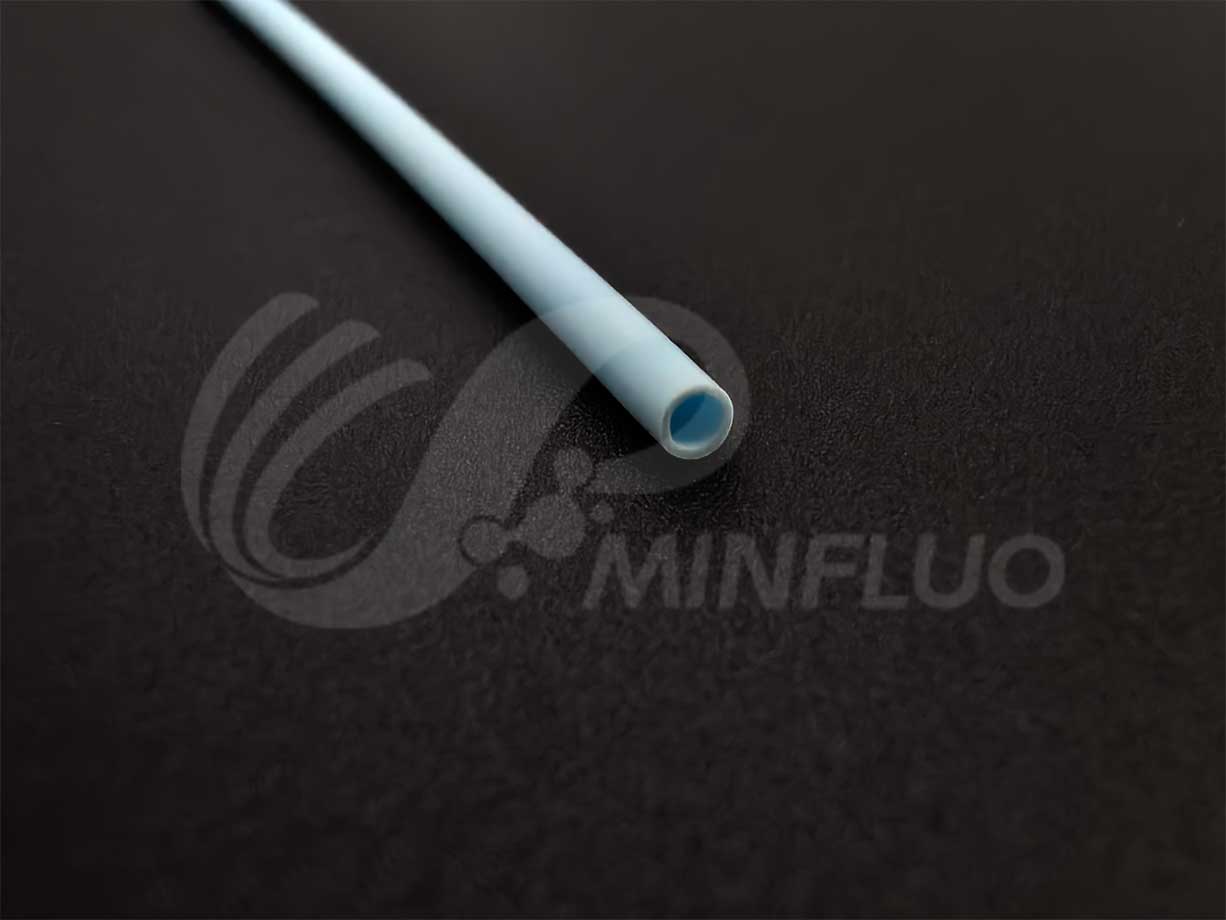
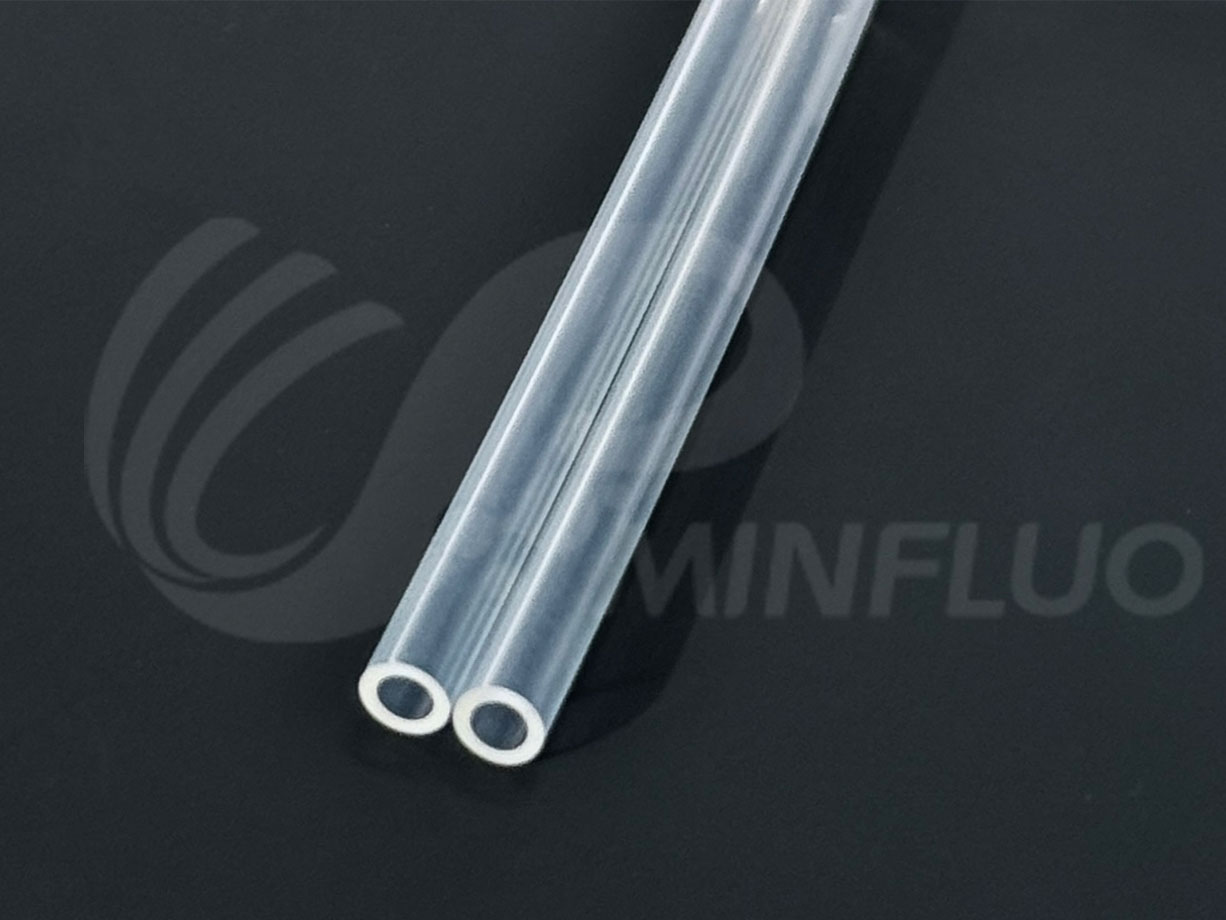
FEP Peelable Heat Shrink Tube: Unifying Precision Protection and Convenient Operation
FEP Peelable Heat Shrink Tube: Unifying Precision Protection and Convenient Operation
In the manufacturing and maintenance of electronic electrical, medical equipment, and precision instruments, the insulation protection of wire connection points and sensitive components is a fundamental aspect that directly affects the long-term reliable operation of the products. The FEP Peelable Heat Shrink Tube, as a fluoropolymer heat shrink sleeve, provides a solution that combines protection performance and operational convenience in scenarios where high-level protection is required while also demanding convenient later maintenance.
FEP stands for fluorinated ethylene propylene copolymer, which is a comprehensive fluorine-containing material. The heat shrink tubes made from this material can shrink uniformly after heating, tightly covering the surface of the protected components, forming a continuous and transparent protective layer. Compared to ordinary heat shrink tubes, FEP material demonstrates different performance in terms of temperature resistance, chemical stability, and surface characteristics, and the "peelable" design brings practical convenience to operation and repair.
From a performance perspective, the heat resistance of FEP heat shrink tubes enables them to maintain physical form stability within a wide temperature range, suitable for protecting electronic components that need to withstand certain working temperatures. Its chemical inertness is particularly prominent, offering good resistance to most acids, bases, and organic solvents, and effectively protecting internal components in corrosive medium conditions. Additionally, the excellent electrical insulation properties of FEP material, with high dielectric strength and low dielectric constant, make it suitable for high-frequency and high-voltage electrical environments. The low friction coefficient and good surface non-stickiness of the material make it less prone to sticking to other components during installation, facilitating dense wiring and sleeveing operations.
The "peelable" feature is the unique design of this product. When replacing or repairing internal components in traditional heat shrink tubes, overall cutting and peeling are usually required, which is inconvenient and may damage wires or components. The FEP peelable heat shrink tube has a guiding structure in the tube wall, allowing operators to apply force along the peeling direction to neatly tear the sleeve longitudinally without the need for cutting tools, achieving quick peeling. This feature has practical application value in fields such as aerospace, military electronics, and communication base stations that have high requirements for maintenance efficiency and maintainability.
In terms of application, FEP Peelable Heat Shrink Tubes are mainly used for protecting the rear shells of connectors, sealing wire branching points, wrapping small components, and protecting sensors in scenarios requiring high-reliability insulation protection. Their transparent material also facilitates visual inspection of internal welding quality and component status, aiding in quality control and fault diagnosis. When using, it is necessary to heat and shrink with an appropriate hot air gun or oven, and the control of heating temperature and time should refer to product specifications to ensure uniform shrinkage without damaging the covered objects.
It should be noted that the material cost and processing difficulty of FEP peelable heat shrink tubes are higher than those of ordinary heat shrink tubes, and their applicable scenarios are relatively focused. They are mainly targeted at medium and high-end applications with comprehensive requirements for reliability, chemical resistance, and maintenance convenience.
Overall, the FEP peelable heat shrink tube is a specialized heat shrink sleeve that considers both precise protection and convenient operation. Supported by the inherent properties of fluoropolymer, it incorporates a peelable structure design, achieving a balance between high requirements for protection and high efficiency in maintenance. In scenarios that require both "adequate protection" and "convenient maintenance", it is a material option worth considering.