What is FEP heat shrink tubing? How is it different from PTFE heat shrink tubing and PFA heat shrink tubing?
What is FEP heat shrink tubing? How is it different from PTFE heat shrink tubing and PFA heat shrink tubing?
Material basis and molding characteristics
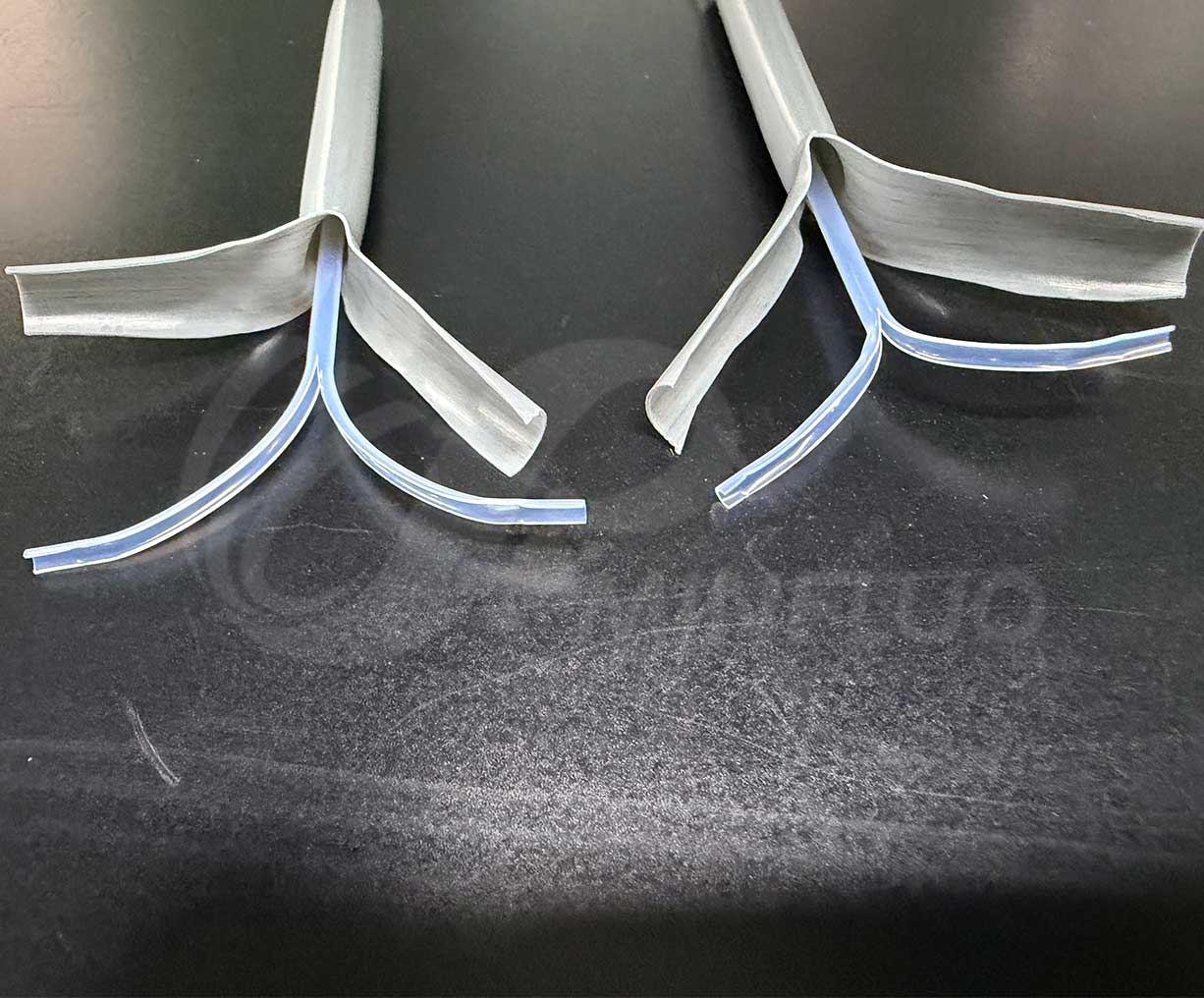
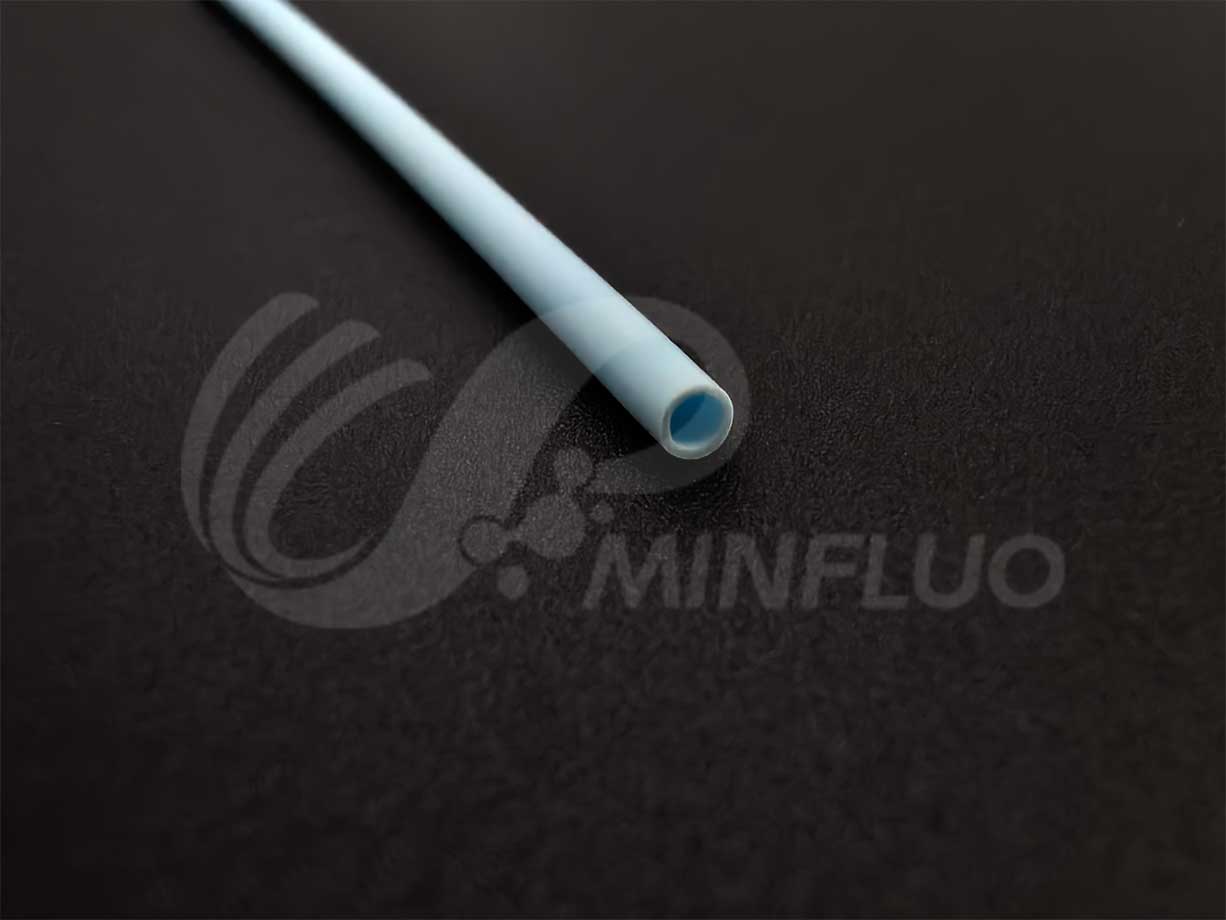
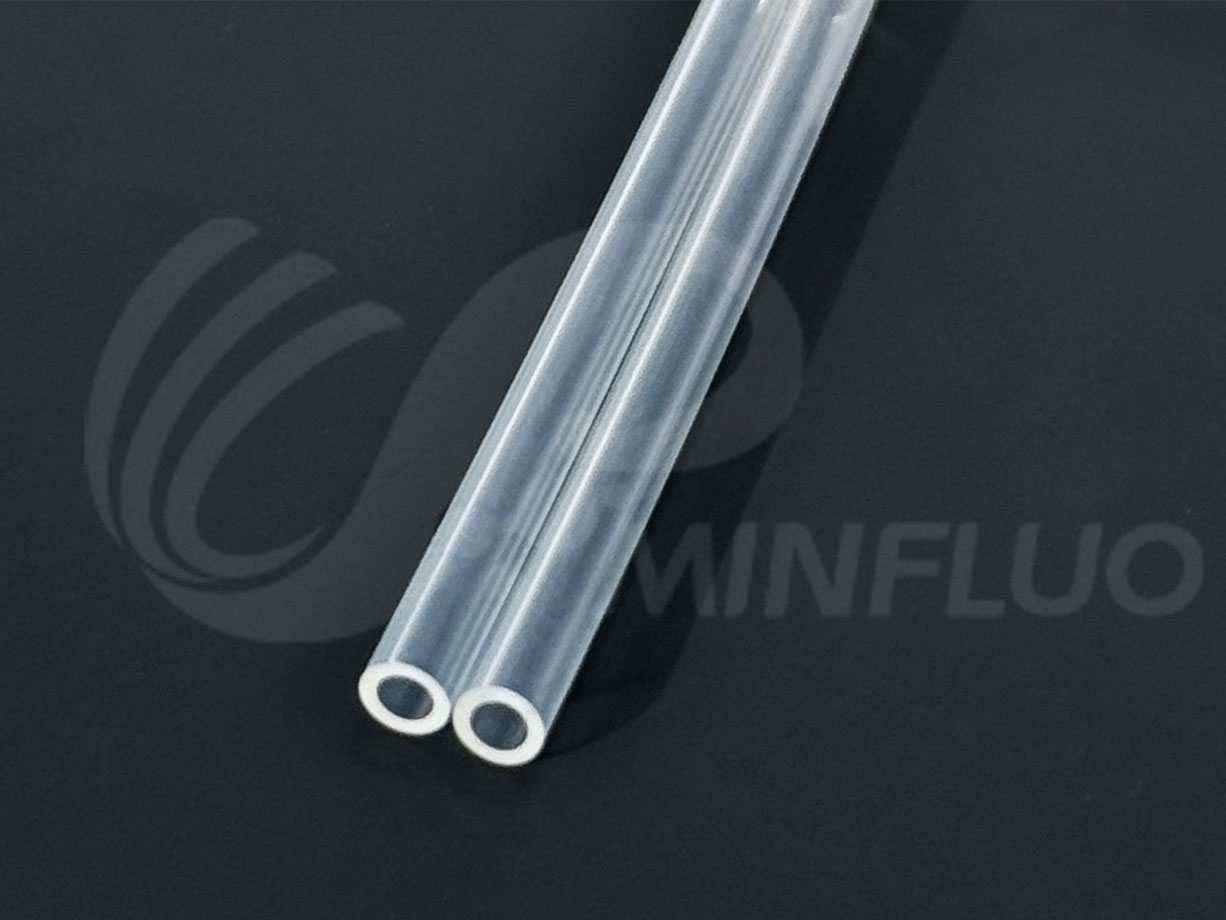
FEP heat shrink tubing is a type of fluoropolymer heat shrink tubing. It is made from fluorinated ethylene-propylene copolymer as the raw material. By relying on the material's own memory effect, it shrinks and covers the surface of the workpiece after being heated, providing insulation, anti-corrosion, and protection functions. It is commonly used in the protection scenarios of precision cables and instrument components. The same series also includes PTFE heat shrink tubing and PFA heat shrink tubing. All of them belong to fluoropolymer products. They have excellent chemical resistance, temperature resistance, and insulation basic performance. However, the material structure, processing method, and usage characteristics are significantly different, and they cannot be substituted randomly.
PTFE has poor fluidity and generally cannot be routinely extruded into heat shrink tubing. Most PTFE heat shrink tubes on the market have undergone special processing. It has a low friction coefficient, a wider temperature range, outstanding resistance to strong corrosion, higher rigidity, and relatively weaker rebound characteristics. The softness of the shrink fit is limited. It is mostly used in strong corrosion and special high-temperature working conditions. FEP has good melt flowability and can be extruded for molding. The heat shrink process is mature, and the tube wall is uniform after shrinking, with good transparency. The flexibility is moderate, and the processing difficulty is lower. It is a relatively common category of fluoropolymer heat shrink tubing. PFA is soluble polytetrafluoroethylene. Its melt flowability is better than FEP, and it has better stability at high temperatures. It has strong creep resistance and is less likely to deform under long-term stress. The finished product surface is smooth, suitable for long-term high-temperature and continuous pressure precision working conditions.
Key points for selection and differentiation
In terms of transparency, FEP and PFA have better light transmission performance, making it convenient to observe the internal component status; PTFE is mostly in a semi-matte state, with poor transparency. In terms of flexibility, FEP has balanced bending performance; PFA is more rigid, with outstanding creep resistance; PTFE is harder and more brittle, and is more prone to cracking with repeated bending. The chemical resistance of all three is excellent, but in long-term high-temperature environments, PFA's performance degrades more slowly; in routine medium-temperature anti-corrosion and insulation scenarios, FEP is more cost-effective; for extremely strong corrosion and high-temperature working conditions, PTFE should be preferred. In addition, the processing compatibility of the three is different. The heat shrink temperature of FEP is easier to control; PFA requires a higher temperature for shrinking; PTFE has a higher heat shrink operation threshold and strict heating process requirements. When selecting, consider the operating temperature, whether visual inspection is required, the frequency of bending, and the corrosive medium comprehensively. Before formal use, you can conduct a small sample heat shrink test to confirm the covering and fitting effect.