PTFE thin-walled pipe vs ordinary PTFE pipe, what's the difference?
PTFE thin-walled pipe vs ordinary PTFE pipe, what's the difference?
Structural and molding process differences
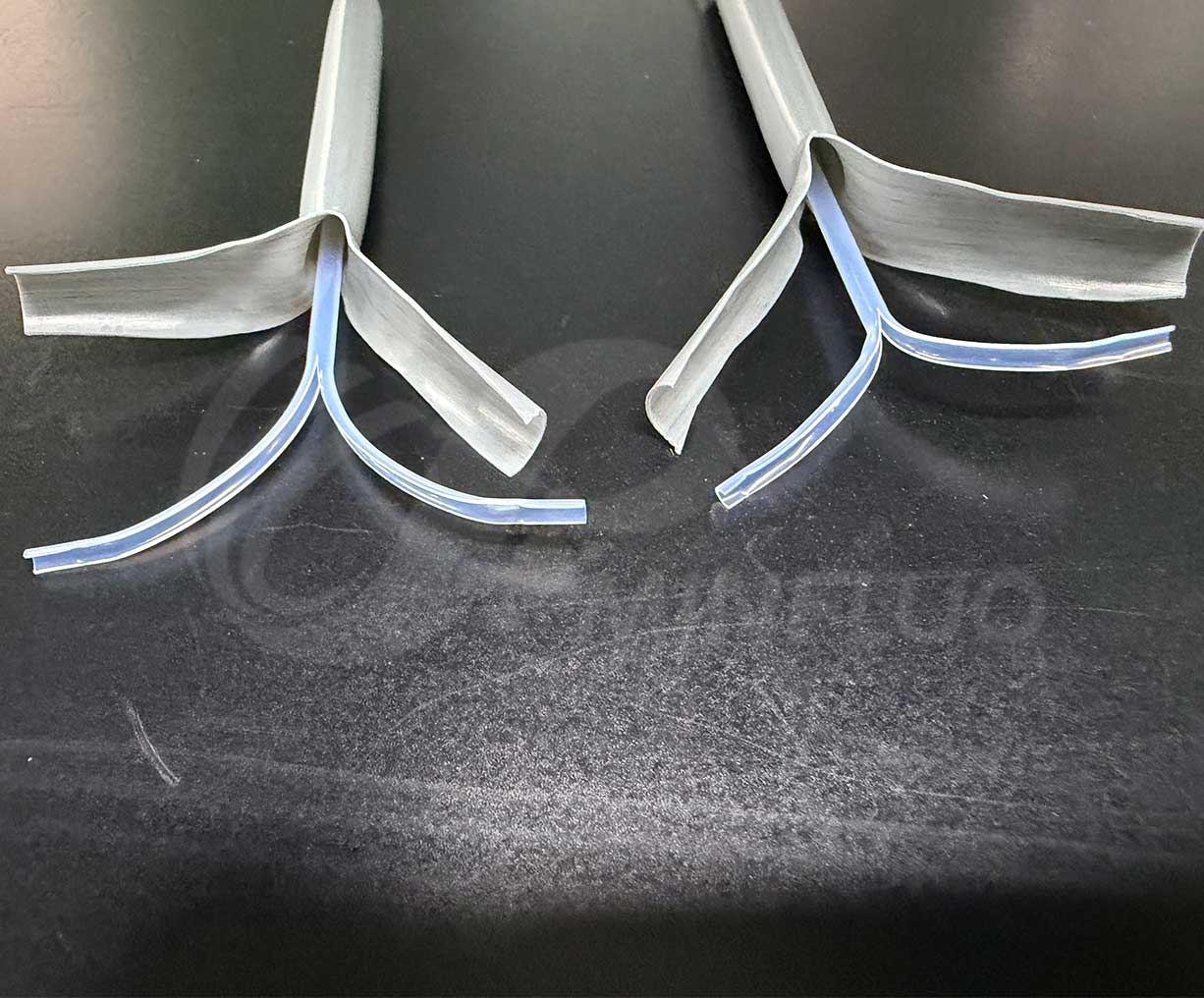
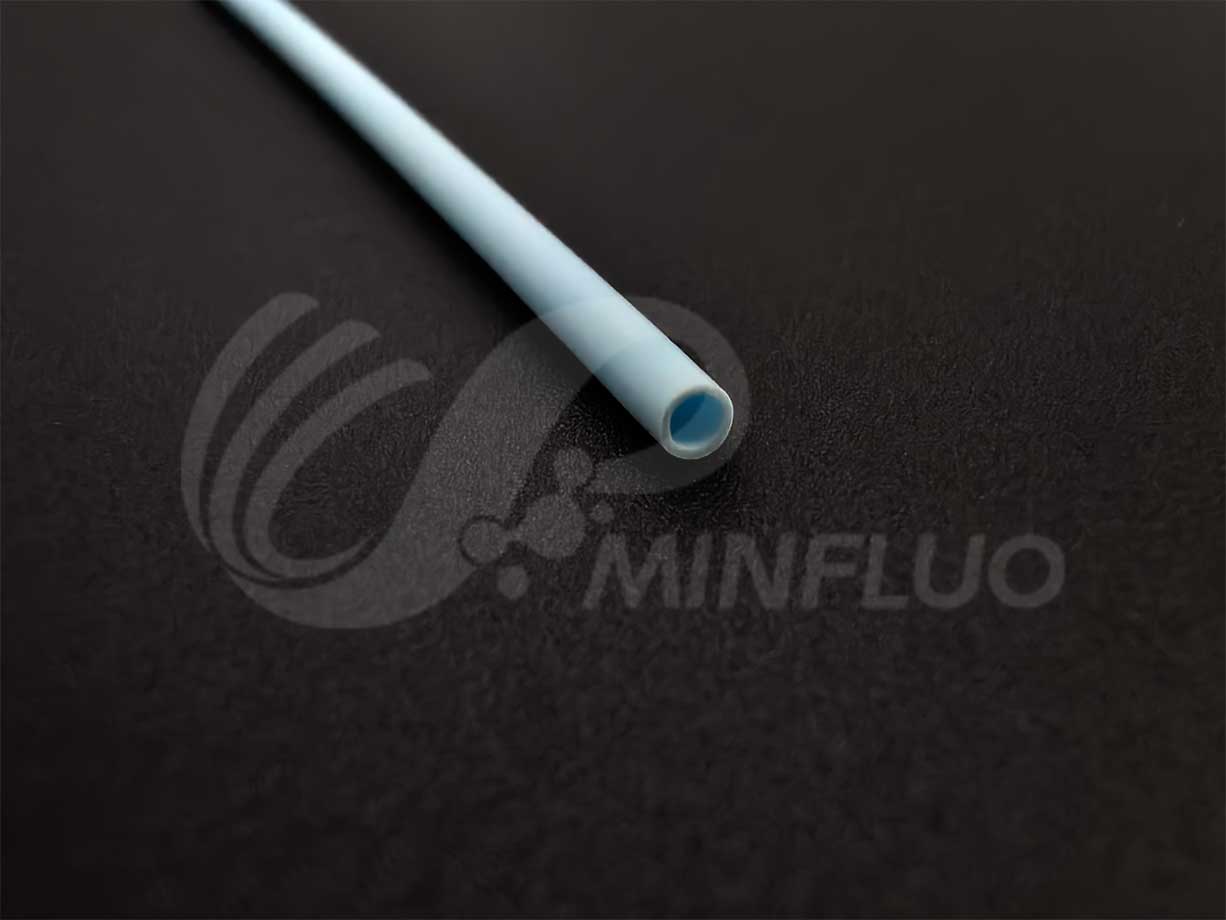
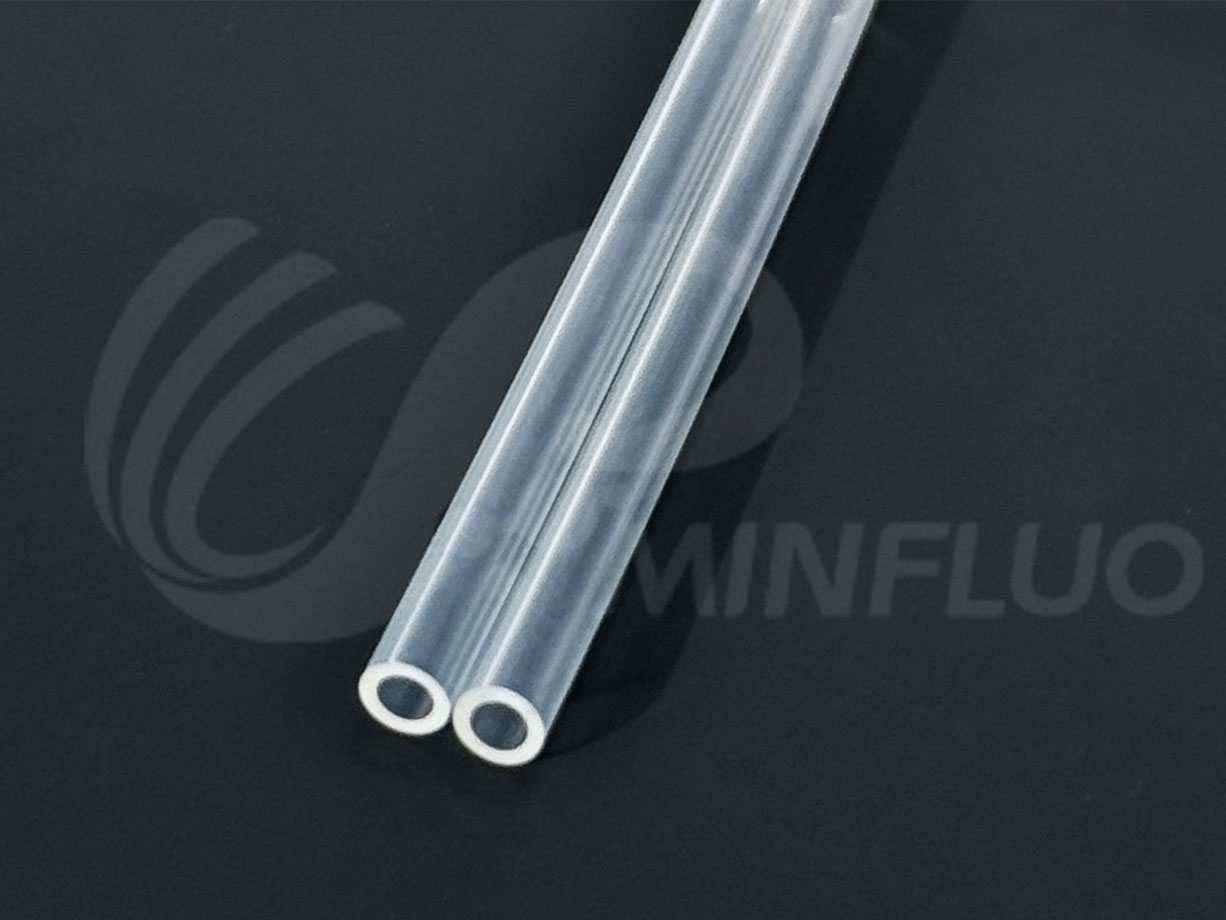
Both have the same base material, polytetrafluoroethylene, which share the same basic material properties such as heat resistance, corrosion resistance, and insulation. The core difference lies in wall thickness, molding methods, and internal structure. Ordinary PTFE pipes have sufficient wall thickness, and after the preform is fully sintered, the structure is dense, and the overall rigidity is better; PTFE thin-walled pipes, however, require higher control accuracy during extrusion, stretching, and sintering, and need to control the uniformity of the wall thickness to avoid local thinning and pinhole defects. The processing is more difficult, and the tolerance for the finished product is smaller.
The difference in wall thickness directly leads to differences in weight and flexibility. Thin-walled pipes are lightweight, easier to bend, and have a smaller bending radius; ordinary PTFE pipes are more rigid, less prone to bending, and have better resistance to compression. At the same time, thin-walled pipes are very sensitive to surface flaws, and even minor scratches or impurities can cause leakage. The production stage's filtration and cleanliness control standards are more stringent.
Key points for pressure resistance, application, and selection
Pressure resistance is the most crucial dividing line between the two. Ordinary PTFE pipes have sufficient wall thickness reserves and greater pressure capacity, and can be used in fluid transportation scenarios with relatively higher pressure and certain impact. Thin-walled pipes, however, are limited by their structure and have weaker pressure resistance. They are more suitable for low-pressure, stable medium environments. When subjected to large pressure fluctuations, they are prone to bulging and deformation, and long-term continuous stress can accelerate creep.
In terms of application scenarios, they have different emphases. PTFE thin-walled pipes are mainly used in instrument lead sheaths, precise fluid sampling pipelines, micro-flow anti-corrosion pipelines, and situations requiring lightweight, small space wiring, prioritizing flexibility, small volume, and corrosion-resistant insulation properties. Ordinary PTFE pipes are mainly used in chemical anti-corrosion pipelines, equipment linings, and medium transportation with medium to large flow rates, focusing on pressure resistance, resistance to external force damage, and suitability for complex installation environments and prone-to-bump and compression locations.
In addition, there are differences in cutting and assembly. When assembling thin-walled pipes, avoid sharp ports and excessive clamping to prevent pipe wall damage; the selection of adapters and clamping methods for ordinary PTFE pipes is more diverse.
Selection cannot only rely on the material; it is necessary to prioritize confirming the system pressure, installation space, and whether there is external force compression. If the working pressure is high and the pipeline needs protection, ordinary PTFE pipes should be chosen first; if the space is limited, low-pressure fluid or cable protection is required, then thin-walled models can be selected. Before purchasing, it is recommended to combine the working conditions to conduct sample tests to confirm the bending and sealing effects.
For more detailed product information, please feel free to consult us.