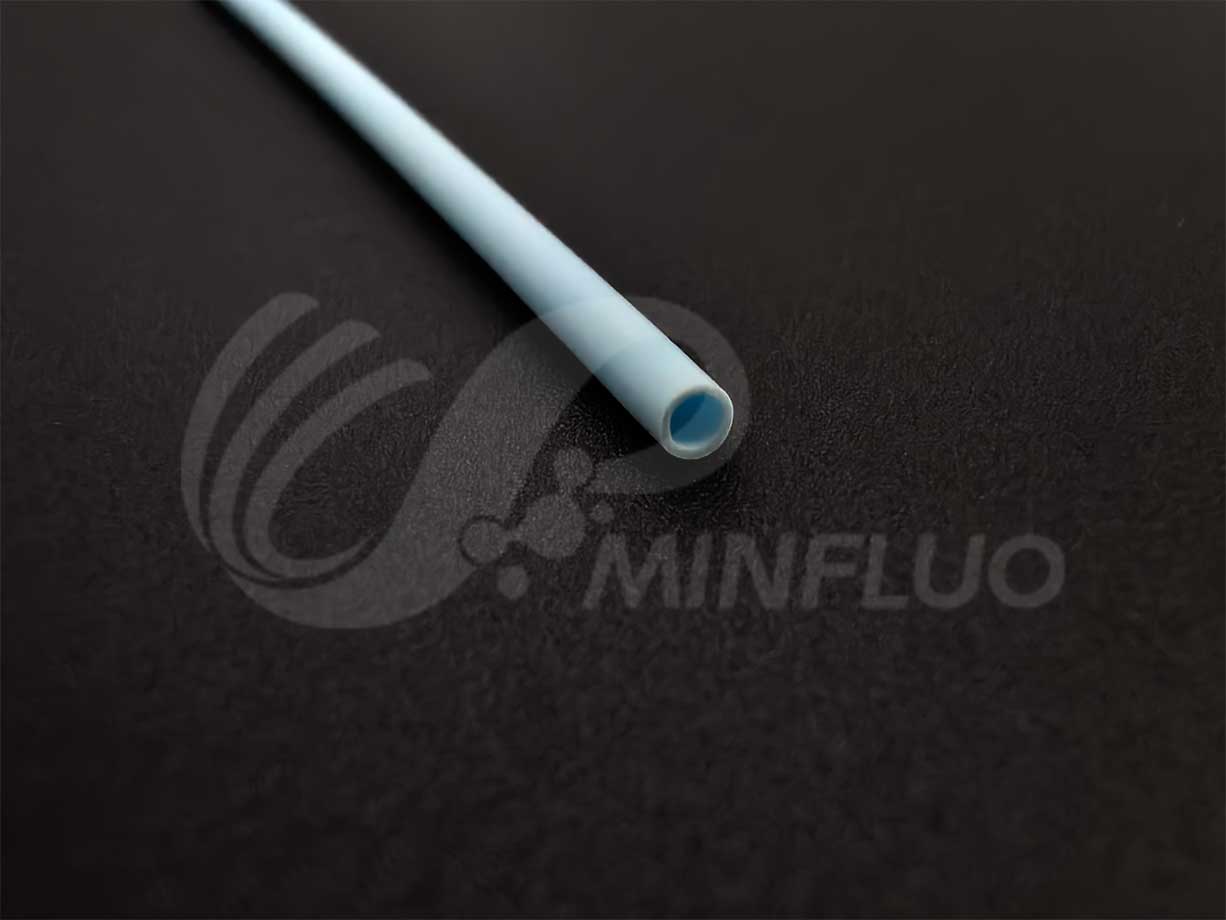
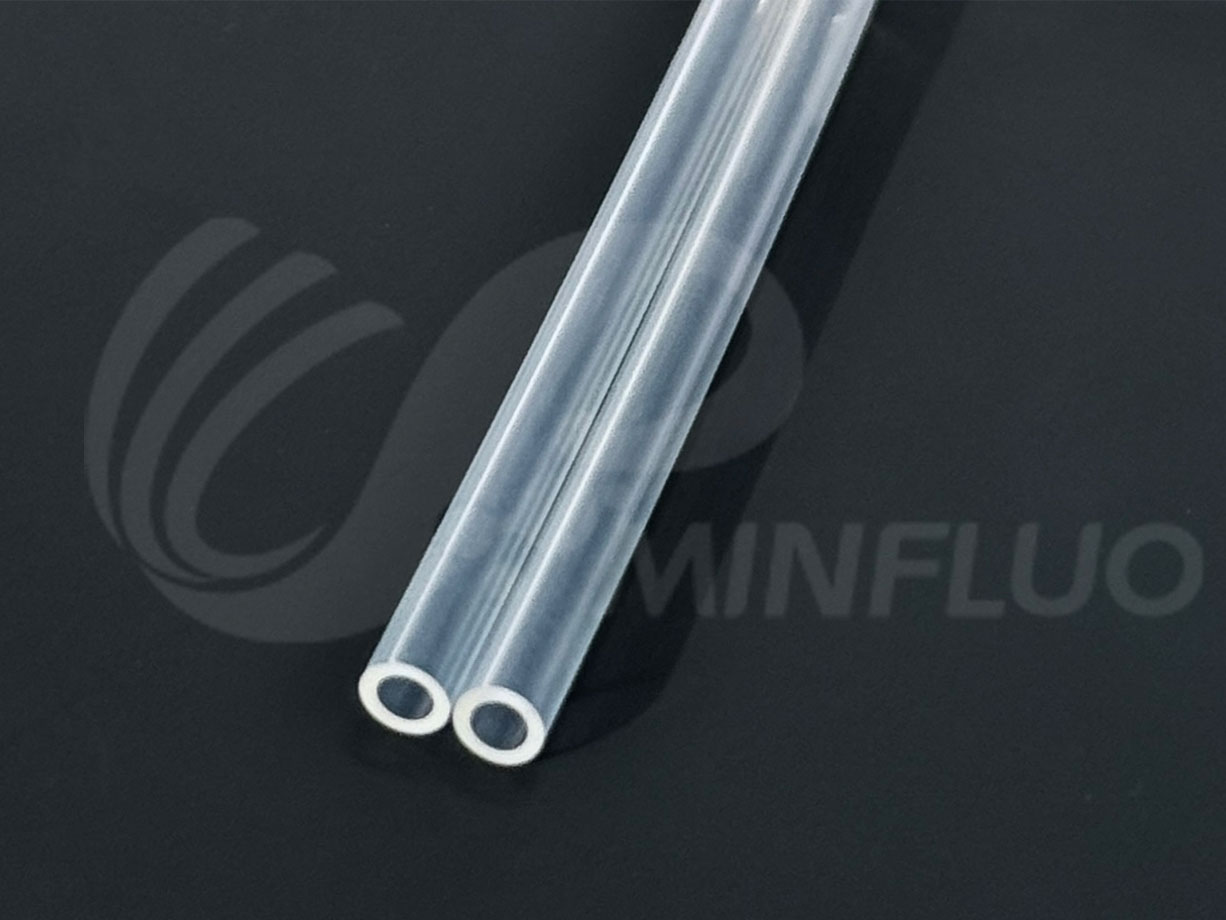
Medical catheters: The flexible bridge accompanying medical treatment!
Medical catheters: The flexible bridge accompanying medical treatment!
In hospital wards, operating rooms or ICUs, patients are often connected to various slender tubes. These seemingly insignificant Medical catheters are actually indispensable "lifelines" in modern medicine. They undertake important tasks such as delivering medication, draining body fluids, and assisting with ventilation, silently supporting the smooth progress of the treatment process.
Where are Medical catheters used?
The application scenarios of medical catheters are extremely diverse. In infusion therapy, the venous indwelling catheter enables patients to avoid the pain of repeated punctures; after surgical procedures, the drainage catheter helps remove body fluids and promotes wound healing; in anesthesia and respiratory support, the tracheal catheter and oxygen supply tube ensure smooth airways; in the field of urology, the urinary catheter solves the problem of urinary difficulties; in cardiovascular interventional therapy, the fine catheters can reach deep within blood vessels to complete stent placement or targeted drug delivery.
It can be said that from emergency rescue to chronic disease management, from neonatal monitoring to elderly care, the presence of catheters can be found in almost every clinical department.
What capabilities are required for a good catheter?
Although Medical catheters are "passive" implanted devices, the performance requirements for them are extremely strict.
Biocompatibility is the primary condition. The material of the catheter must be gentle to the human body, not triggering rejection reactions, not causing allergies, and not damaging blood components. During the period when a high-quality catheter remains in the body, it will not "interfere" with the normal physiological activities of the tissues.
The balance between softness and flexibility is equally crucial. The catheter needs to be soft enough to minimize frictional stimulation on the blood vessels or inner walls of the cavity; at the same time, it must also have sufficient strength and toughness to prevent it from breaking or folding in the body. This "combination of hardness and softness" characteristic is achieved through precise material formulation and structural design.
The anti-twist and pressure resistance properties determine the reliability of the catheter in actual use. When patients move or turn over, if the catheter cannot resist bending, it will cause interruption of fluids or gases, posing safety risks. A good catheter can remain unobstructed within a wide range of movements.
The surface characteristics are also of great significance. A smooth outer surface facilitates insertion and removal, reducing tissue damage; while if the inner wall is properly treated, it can reduce the formation of blood clots or protein adhesion, thereby extending the retention time. Some catheters also use antibacterial coatings, further reducing the risk of infection.
The imaging performance is particularly important for interventional catheters. After adding imaging markers or lines, doctors can observe the position of the catheter in real time under X-ray or ultrasound, ensuring that it accurately reaches the target area.
Materials science keeps evolving the catheters.
Early medical catheters were mainly made of natural latex or ordinary plastic. However, due to the limitations of material properties, it was difficult to achieve both safety and durability. Nowadays, high-performance materials such as medical-grade silicone, polyurethane, and polytetrafluoroethylene have become the mainstream. Silicone is soft and anti-adhesive, making it suitable for long-term insertion; polyurethane has thin walls and large cavities, which can provide higher flow rates under the same outer diameter; composite multi-layer catheters integrate the advantages of different materials, ensuring smooth inner layers while also giving outer layers the ability to resist folding.
The advancements in materials and techniques have enabled the production of catheters that are thinner, softer and more durable. This has also made it possible to develop innovative products such as peripheral venous to central venous catheters and drug-eluting catheters.
Correct usage is equally important.
No matter how good the catheter is, it cannot function properly without standardized operation and meticulous maintenance. Medical staff must follow the aseptic principle when inserting the catheter, regularly assess the necessity of its retention, observe whether there is redness, swelling, or exudation at the puncture site, and perform rinsing and fixation according to the product instructions. Patients and their families should also be careful not to pull or bend the catheter randomly, and report any problems promptly. Although the catheter is small, it plays a crucial role in determining the success or failure of the treatment.
Conclusion
From emergency treatment to recovery, medical catheters, with their flexible nature, have built a bridge between drugs and lesions, life and oxygen. They may not be noticed, but in every breath and every infusion, they safeguard health and hope. And the continuous advancement of material science and rigorous clinical application are making this bridge safer, more reliable and gentler.
Jiangsu Minfluo New Material Technology Co., Ltd. specializes in the research, development, manufacturing, and sales of fluoropolymer extruded tubing, with a strong focus on the medical catheter industry. Backed by Mingke Group and supported by a professional technical team, the company is committed to providing one-stop medical catheter solutions for medical device manufacturers worldwide. Equipped with a comprehensive mold workshop, physical, chemical, and biological laboratories, as well as advanced international extrusion and testing equipment, the company ensures product safety, reliability, and consistency through a complete quality management system certified to ISO 9001 and ISO 13485 standards. Driven by technological innovation and stringent quality control, Jiangsu Minfluo is dedicated to advancing medical device development and strives to become a trusted global supplier of fluoropolymer medical tubing solutions, helping safeguard human health through high-quality medical materials.
Official website: http://www.minfluo.com/En_index.html
Contact person:Alan Su 137 7606 2198
Email: Alan.su@minfluo.com
Address: No. 30, Chunhui Road, Hedde Town, Shaoyang County, Jiangsu Province