A pipe has multiple cavities. How can we ensure that the cavities do not
A pipe has multiple cavities. How can we ensure that the cavities do not "interact" with each other?
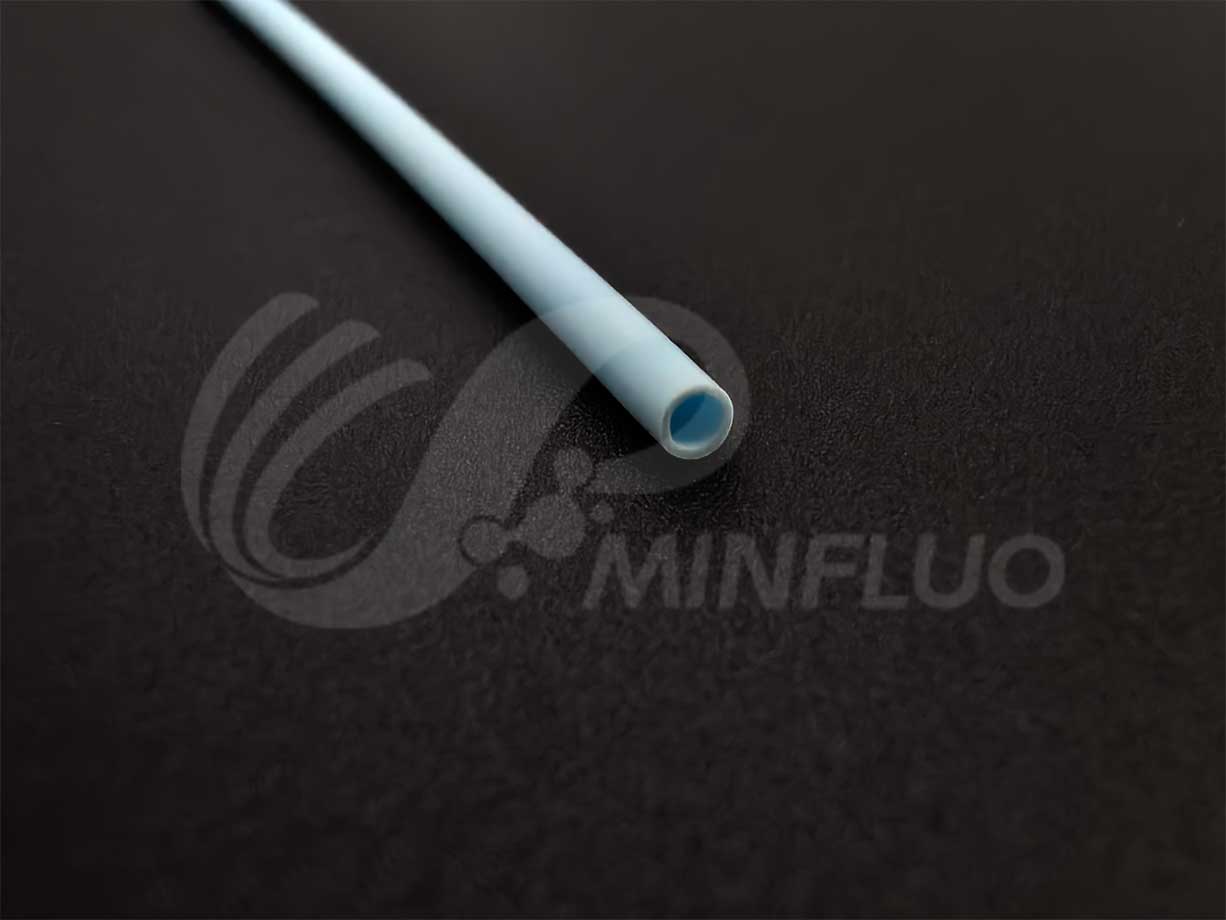
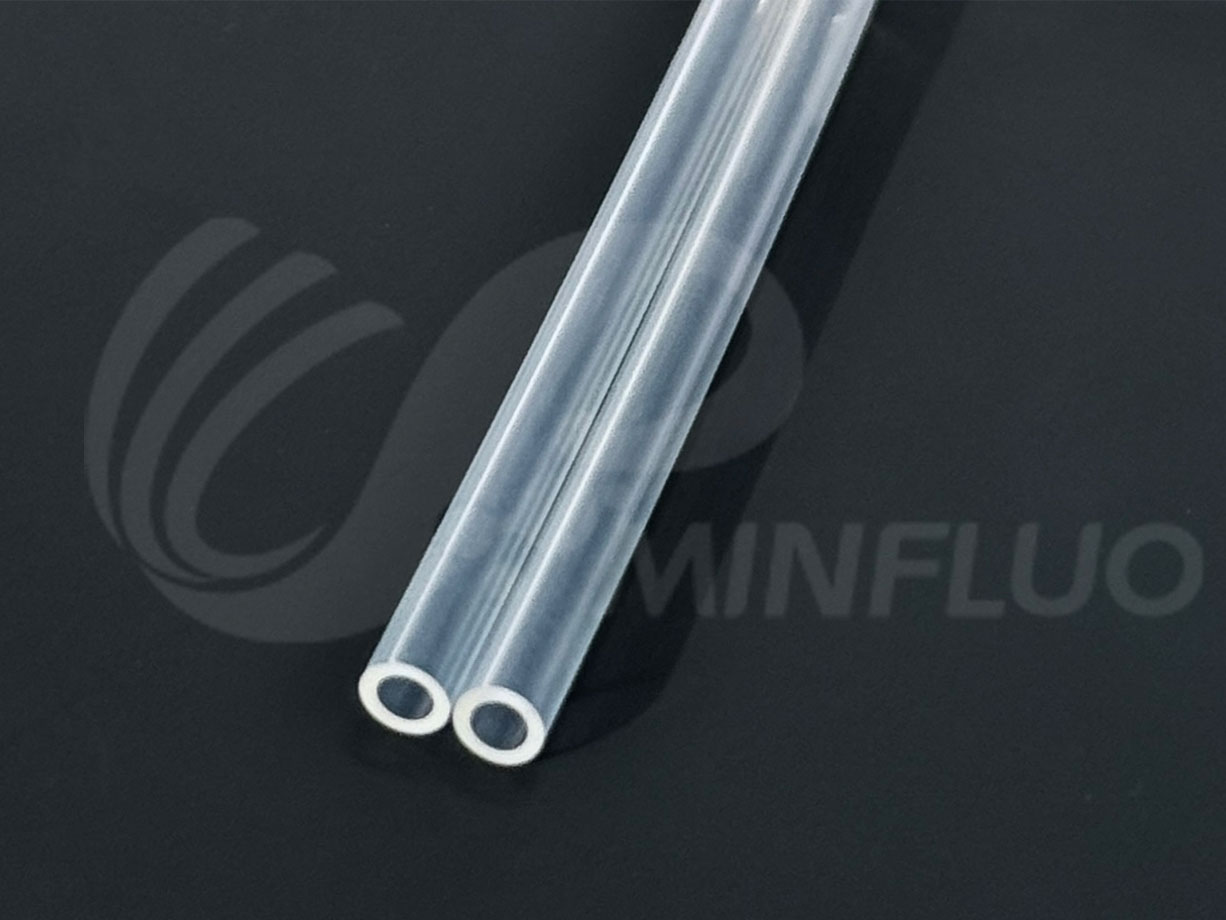
The PTFE multi-chamber tube is a precision pipe materialized through the integration of polytetrafluoroethylene properties and the multi-channel one-piece molding process. Its interior can be divided into multiple independent chambers, enabling simultaneous transmission of multiple media, cable storage, or functional zoning within a single tube. In scenarios such as medical interventional catheters and industrial precise fluid transmission, the independence and dimensional accuracy between each chamber directly determine the product performance. Many purchasers will be concerned when selecting models: How can the chambers of the multi-chamber tube ensure that they do not "interact"? Let's start from two key issues to help you clarify your thoughts.
I. Cavity Isolation: How to Avoid the Risk of "Cavity Interference"?
The core value of PTFE multi-chamber tubes lies in "multi-chamber integration", but this is only possible if each chamber is strictly isolated and does not interconnect with one another.
Mold accuracy is fundamental: The molding of multi-chamber tubes requires high-precision molds to ensure that the molten PTFE is evenly distributed to each chamber channel during extrusion. If the mold channel design is unreasonable or the processing accuracy is insufficient, it may result in uneven wall thickness of each chamber, and even adjacent chambers may develop a through-hole (i.e., "cavity connection") at the weak point. When purchasing, you can inquire whether the supplier has its own mold processing capabilities.
Stability of extrusion process: The sintering and extrusion processes of PTFE are highly sensitive to fluctuations in temperature and pressure. Even a slight fluctuation in pressure or temperature can cause deviations in the wall thickness between different cavities, and in severe cases, may lead to cavity deformation or intercommunication. Jiangsu Mingfu New Materials Technology Co., Ltd. has obtained ISO9001 and ISO13485 medical device quality management system certifications. It is equipped with a full-process mold workshop and an online monitoring system, which enables continuous tracking of process parameters.
Wall thickness uniformity inspection: For each batch of products, a sample will be taken for cross-sectional microscopic analysis to accurately measure the wall thickness of each cavity and the cavity spacing. When purchasing, you can request the supplier to provide a cross-sectional inspection report, or you can conduct the inspection independently through a third-party laboratory.
II. Full-process Inspection and Quality Traceability
As a key component used in medical or precision industries, the inspection of PTFE multi-chamber tubes cannot rely solely on final testing.
Material and mold verification: The batch stability of PTFE material directly affects extrusion molding. Whether the supplier conducts random inspections on each batch of incoming materials and whether the new molds have undergone trial mold verification are references for evaluating their quality control capabilities.
Process monitoring and product inspection: During the production process, samples are regularly taken for appearance checks and size measurements. Before the products are shipped, a comprehensive size inspection and pressure resistance test are conducted on each batch to ensure that there is no leakage or deformation in each cavity under the rated pressure. Jiangsu Mingfu is equipped with physical and chemical, as well as biological laboratories, and can cooperate with customers to complete various performance validations.
Batch traceability: Does each batch of PTFE multi-chamber tubes have an independent batch number? All information from raw materials, molds, process parameters to test results should be recorded to facilitate quality traceability.
Summary and Selection Suggestions
When purchasing PTFE multi-chamber tubes, the following steps are recommended for confirmation:
Specify usage and size requirements: Provide key size specifications such as the bore diameters, wall thicknesses, center distances, etc., as well as the pressure resistance level and operating temperature.
Evaluate the supplier's mold and testing capabilities: Determine whether the supplier has the ability to produce molds with high precision and the capability to conduct microscopic section testing.
Conduct cross-sectional testing: Before batch production, collect samples and conduct cross-sectional microscopic analysis by oneself or through a third party to verify the uniformity of the cavity wall thickness and the reliability of the separation.
Jiangsu Mingfu New Materials Technology Co., Ltd. specializes in the field of fluorine material extrusion tubes. It has obtained ISO9001 and ISO13485 certifications for medical device quality management systems. The company offers precision tubes such as PTFE multi-chamber tubes, FEP heat shrink tubes, and Pebax tubes. Please feel free to communicate your specific requirements and request sample tests.
Official website: http://www.minfluo.com
Su Sidedong
0510-81814868
0515-8272699
0515-8259666
Email:
Alan.su@minfluo.com
Address:
No. 30, Chunhui Road, Hedie Town, Shaoyang County, Jiangsu Province