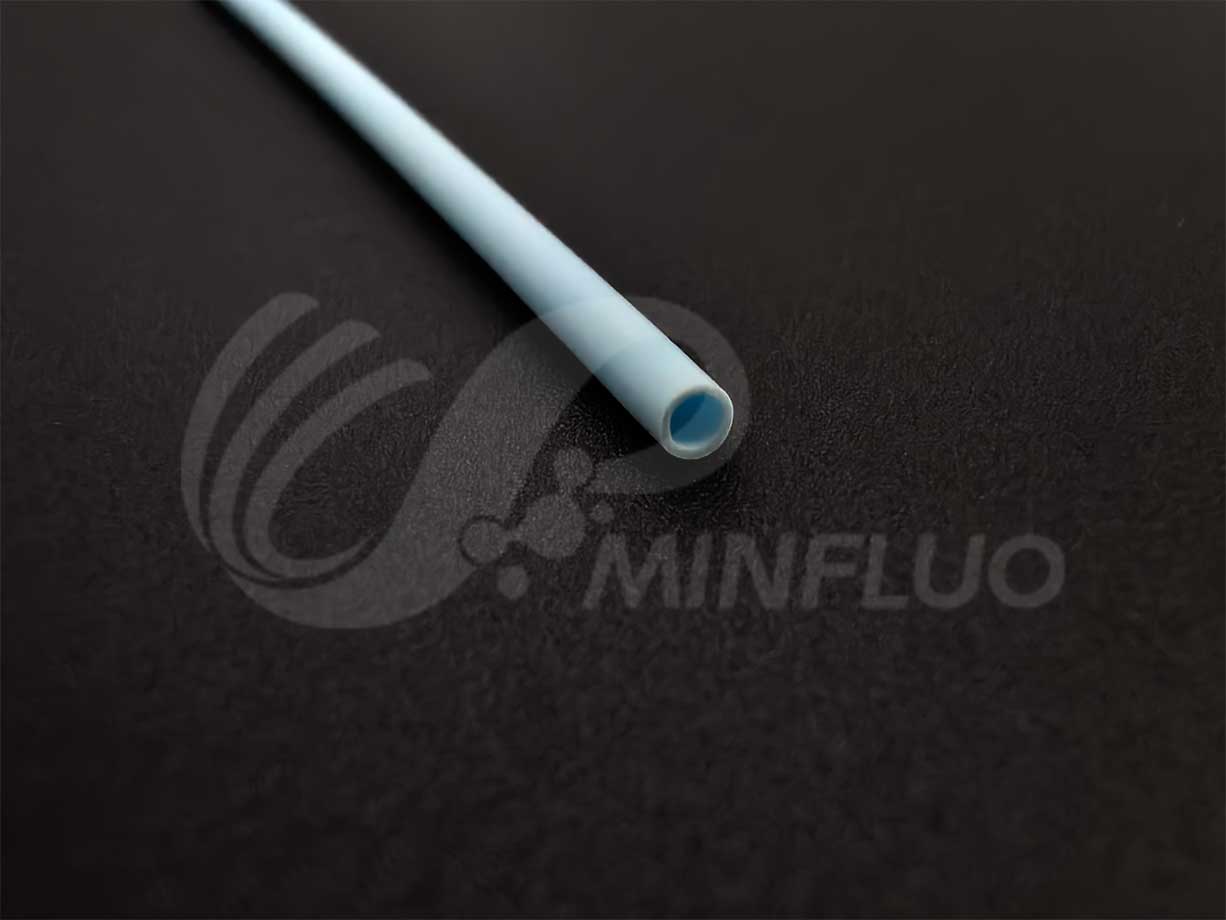
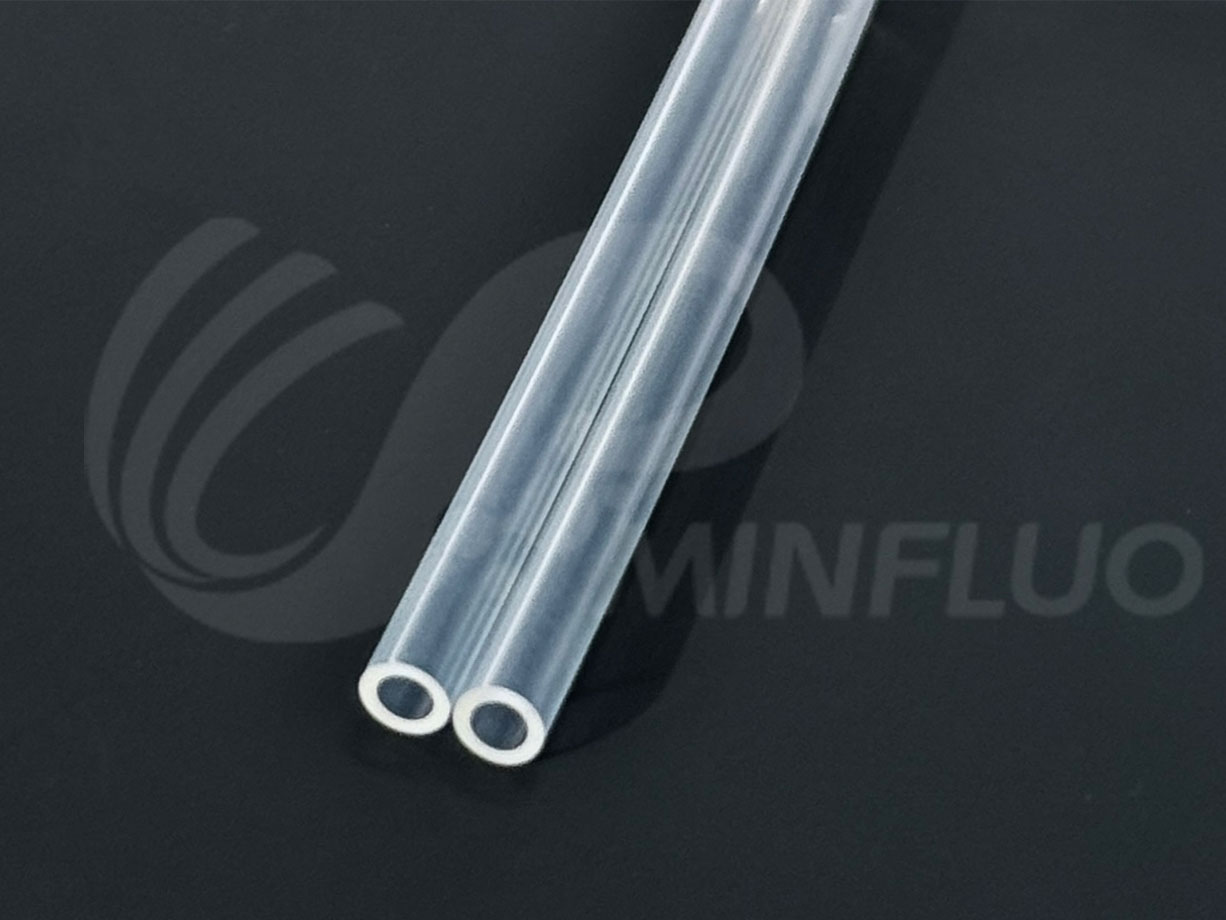
The FEP heat shrink tubing has been "shrunk" properly, but why did it loosen after some time?
The FEP heat shrink tubing has been "shrunk" properly, but why did it loosen after some time?
FEP heat shrink tubing (polyperfluorobutylene heat shrink sleeve) is widely used in electronic and electrical insulation, wiring protection, chemical sealing, medical devices, etc. Due to its characteristics such as resistance to high and low temperatures, corrosion resistance, high insulation, and non-stick surface, it is widely adopted. Many purchasers often encounter a confusion during actual use: when it is just heat-shrunk, it fits tightly. But why does the tube become loose after some time or when subjected to temperature changes? This often involves a balance among shrinkage rate, uniformity of wall thickness, and the heat resistance of the material. Let's start from two common issues to help you clarify the selection
1. The contraction ratio was chosen correctly, but why does it still fail to "close tightly" after contraction?
The shrinkage effect of FEP heat shrink tubing is not only determined by the shrinkage ratio, but also closely related to the uniformity of the wall thickness and the heating process.
Wall thickness uniformity: If the initial wall thickness of the heat shrink tube has a large deviation, after shrinking, the thin-walled parts will fit tightly together, while the thick-walled parts may bulge locally or come loose due to insufficient shrinkage rate. When purchasing, it is recommended to pay attention to whether the supplier controls the wall thickness fluctuation of the pipe material through an online diameter measurement system to ensure the consistency of wall thickness in different sections of the same batch. Jiangsu Mingfu New Materials Technology Co., Ltd. has been deeply engaged in the field of fluorine material extruded tubes. Through high-precision extrusion equipment and an online diameter measurement system, it continuously monitors the pipe dimensions to ensure the uniformity of wall thickness from the source.
Uniformity of contraction: If the axial and radial contractions of the pipe material do not occur simultaneously when heated, it may cause the ends to bulge or the middle to wrinkle. Before purchasing, samples can be requested and contraction tests can be conducted under actual heating conditions to observe whether the surface is smooth, if there are any cracks or wrinkles.
Irradiation cross-linking control: The FEP heat shrink tubing needs to undergo irradiation cross-linking to achieve the "shape memory" effect. Insufficient irradiation dose will result in insufficient contraction and insufficient resilience; excessive irradiation dose may make the tubing brittle and prone to cracking when heated. Whether the supplier conducts regular cross-linking degree inspections is a reference for evaluating the consistency of their products.
2. After contraction, it temporarily adheres. Why does it "bounce back" after a temperature change?
The FEP heat shrink tubing softens and shrinks at high temperatures, and then takes shape after cooling. However, if the material has insufficient heat resistance or the internal stress after shrinking has not been fully released, during subsequent temperature fluctuations or long-term use, the tubing may undergo creep or stress relaxation, resulting in the loosening of the fit.
Material heat resistance grade matching: The long-term operating temperature limit of FEP is usually around 200℃. If the actual working temperature remains close to or exceeds this temperature for an extended period, the pipe material will gradually soften and deform, losing its clamping force. When purchasing, it is necessary to clearly specify the maximum temperature and duration of the usage environment to match the appropriate material and wall thickness.
Post-shrinkage cooling method: After the heat shrinking process is completed, if the material is cooled too quickly, there may be residual stress inside the pipe, which could lead to size changes when heated later. It is recommended to inquire with the supplier about the recommended heating temperature, time, and cooling method during the purchase, or request an operation guide to ensure the stability of the heat shrinking process.
Summary and Selection Suggestions
When purchasing FEP heat shrink tubing, it is recommended to follow the steps below for confirmation:
Specify the application scenarios and temperature range: Is it for insulation protection, chemical sealing or wire harness protection? What is the expected operating temperature range and the contact medium?
Confirm the dimensions and uniformity of the wall thickness: Provide the outer diameter and length of the covered object, as well as the target shrinkage ratio. Request the wall thickness test data of the recent batch to observe the fluctuation range.
Carry out thermal shrinkage tests: Conduct the shrinkage test under actual heating conditions, observe the fit and surface quality, and place it for a period of time at the simulated usage temperature to confirm that there is no "rebound" or loosening before increasing the order size.
Jiangsu Minfluo New Material Technology Co., Ltd. specializes in the field of fluorine material extrusion tubes. It has obtained ISO9001 and ISO13485 certifications for medical device quality management systems. The company offers precision tubes such as FEP heat shrink tubes, FEP fluid tubes, PTFE multi-chamber tubes, and Pebax tubes. Please feel free to communicate your specific requirements and request sample tests.
Official website: http://www.minfluo.com