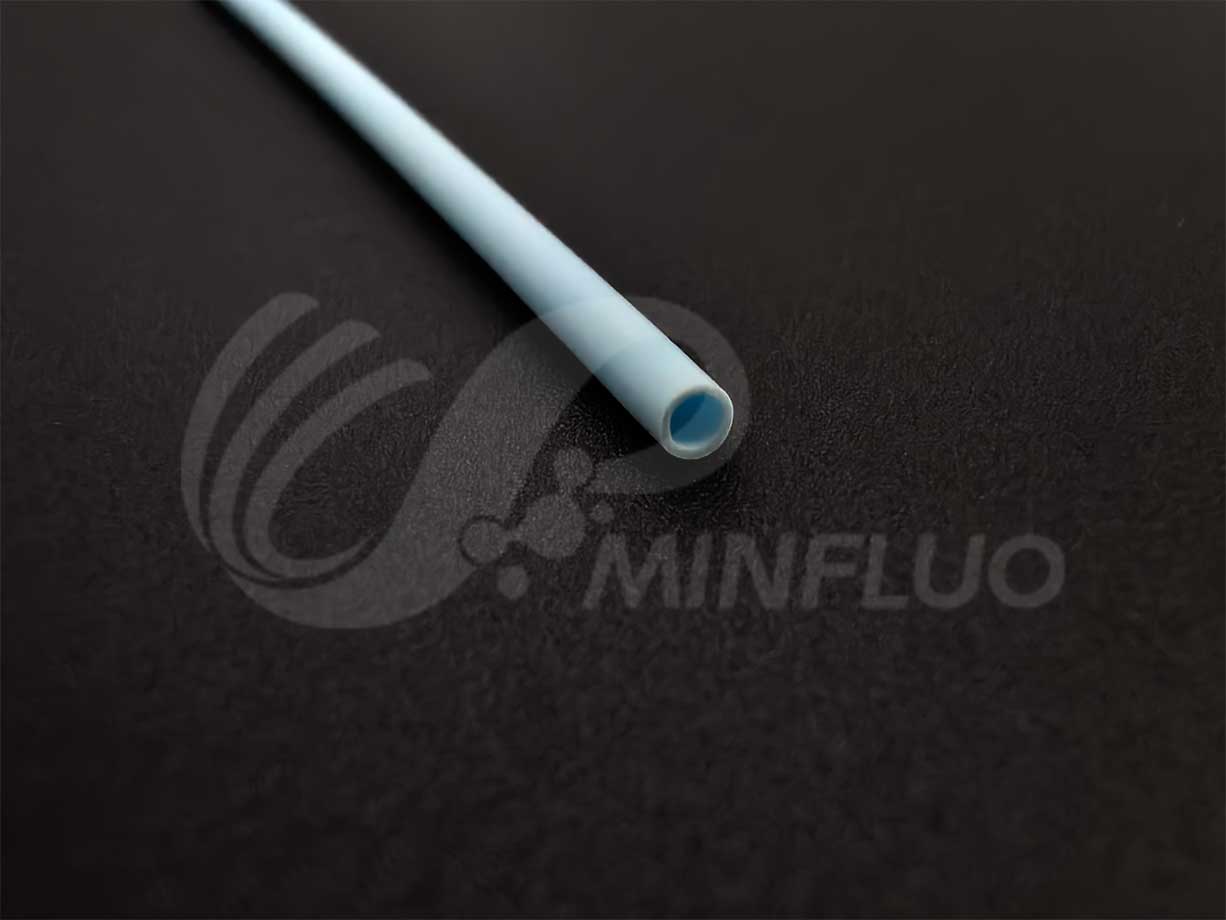
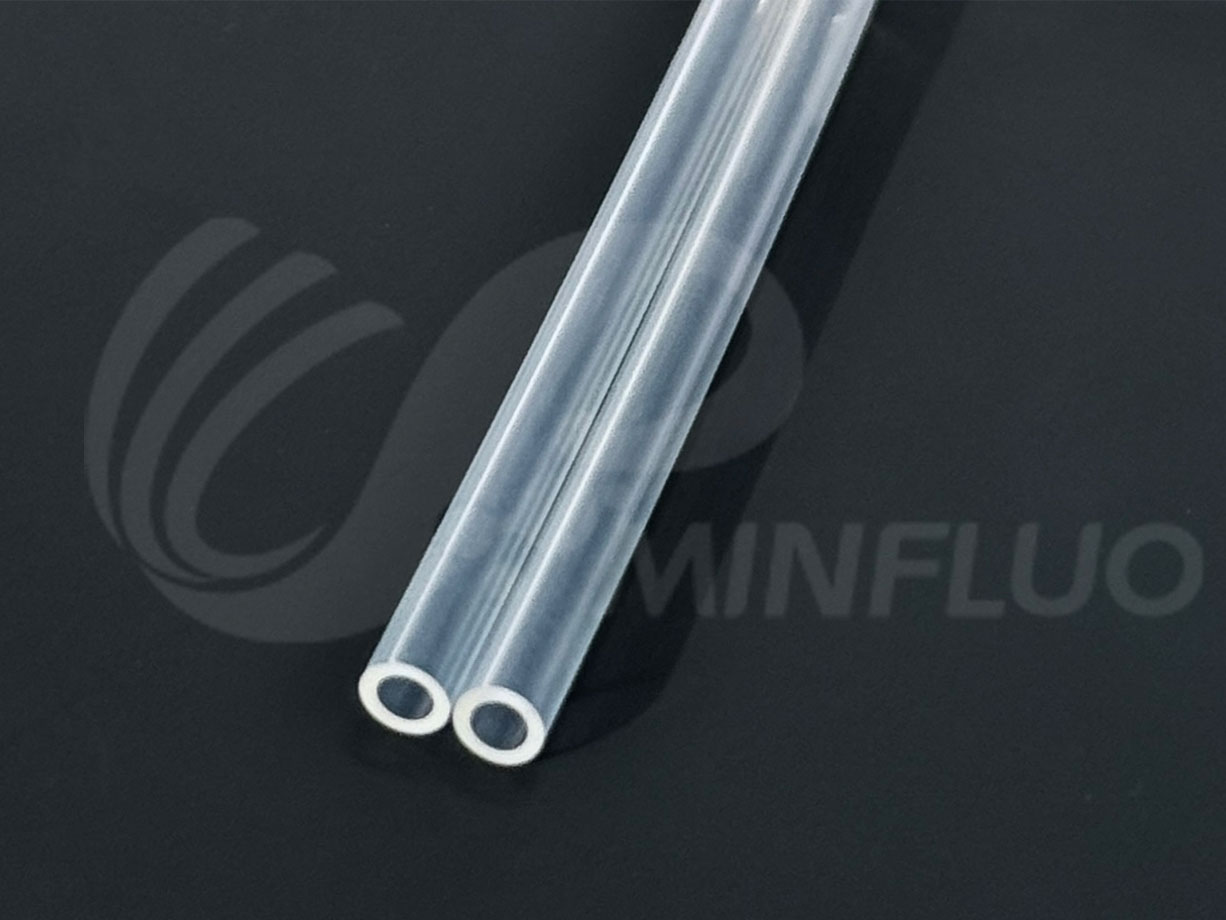
The Pebax tubes is clearly very soft, but why does it always "spring out" during assembly?
The Pebax tubes is clearly very soft, but why does it always "spring out" during assembly?
Pebax tubes (polyether block amide tubes) are widely used in high-end medical fields such as cardiovascular intervention, endoscopy, and minimally invasive surgical instruments due to their excellent flexibility, fatigue resistance, and biocompatibility. However, many purchasers often encounter confusion during actual assembly: although the flexibility of the tube meets the design requirements, it tends to "spring out" during assembly or does not fit tightly with the connector. This often involves balancing the hardness selection, size tolerance, and post-processing techniques. Let's start from two common issues to help you clarify the selection
1. The hardness has been selected correctly, but why is the assembly process either too "slippery" or too "rigid"?
The Pebax material has multiple hardness grades (such as the 33 series, 55 series, and 72 series). Different grades correspond to different levels of flexibility and support, and also directly affect the hand feel and the tightness of the fit during assembly.
Too low hardness: Using low-hardness grades (such as the Pebax 33 series) of pipes results in good flexibility, but the pipe walls are too soft. During assembly, they are prone to "springing" out of the joint due to compression deformation, or getting bent during pushing due to insufficient support force.
High hardness: Using high-hardness grade pipes (such as the Pebax 72 series) provides sufficient support, but the flexibility decreases. They may be difficult to pass through in the bending path or cause frictional damage to the internal tissues.
Matching suggestion: Before purchasing, clearly define the usage path of the pipe material (such as whether it needs to be bent frequently), the intervention method (through blood vessels or through an endoscopic channel), and the assembly method (gluing, heat shrinking, or mechanical locking). The supplier should comprehensively recommend an appropriate grade based on the hardness, wall thickness, and inner diameter tolerance, rather than making a decision based on a single parameter alone.
2. The dimensional tolerances are fine. Then why is the assembly still "loose"?
Even if the wall thickness and outer diameter measurement values are within the tolerance range, the roundness deviation of the pipe, the surface finish of the inner wall, and the verticality of the end face cut also affect the fit and sealing performance during assembly.
Roundness and inner wall smoothness: If the Pebax tube is not cooled uniformly after extrusion, it may cause a slight elliptical shape in the cross-section. When connecting the joints, there will be local gaps between the elliptical tube and the circular joint, reducing the tightness of the connection. Moreover, if there are minor ripples on the inner wall, it will also affect the smoothness of the guidewire passing through.
End face cutting quality: If the end face of the pipe during assembly is not cut perpendicularly, it will cause skew when it is combined with the joint, resulting in uneven force distribution or sealing failure. Jiangsu Mingfu ensures the flatness of the end face and the perpendicularity of the cutting edge through high-precision cutting technology and 100% appearance inspection.
Batch Traceability: Each batch of Pebax tubes has an independent batch number. All information from raw materials, extrusion process to test results is recorded to facilitate quality traceability. Jiangsu Mingfu New Materials Technology Co., Ltd. has obtained ISO9001 and ISO13485 medical device quality management system certifications, and can cooperate with customers to complete various performance validations.
Summary and Selection Suggestions
When purchasing Pebax tubes, the following steps are recommended for confirmation:
Defining the purpose and path: Determine whether the tubing will be used for cardiovascular intervention, endoscopic assistance, or minimally invasive devices, and establish the priority order for flexibility, support strength, and resistance to knotting.
Select hardness and tolerance: Based on the application scenario, choose the appropriate hardness grade. Provide the target values for outer diameter, inner diameter, and effective length, as well as the acceptable tolerance range.
Sample assembly test: Perform assembly and repeated bending tests on the actual connection, observe whether the pipe material "pops out", gets bent, or has poor sealing, and confirm that it meets the clinical operation requirements before increasing the order quantity.
Jiangsu Mingfu New Materials Technology Co., Ltd. has been deeply engaged in the field of fluorine materials and high-performance medical tubing extrusion. It has obtained ISO9001 and ISO13485 certifications for medical device quality management systems. The company offers precision tubing products such as Pebax tubes, FEP heat shrink tubes, and PTFE multi-chamber tubes. Please feel free to communicate your specific requirements and request sample tests.
Official website: http://www.minfluo.com