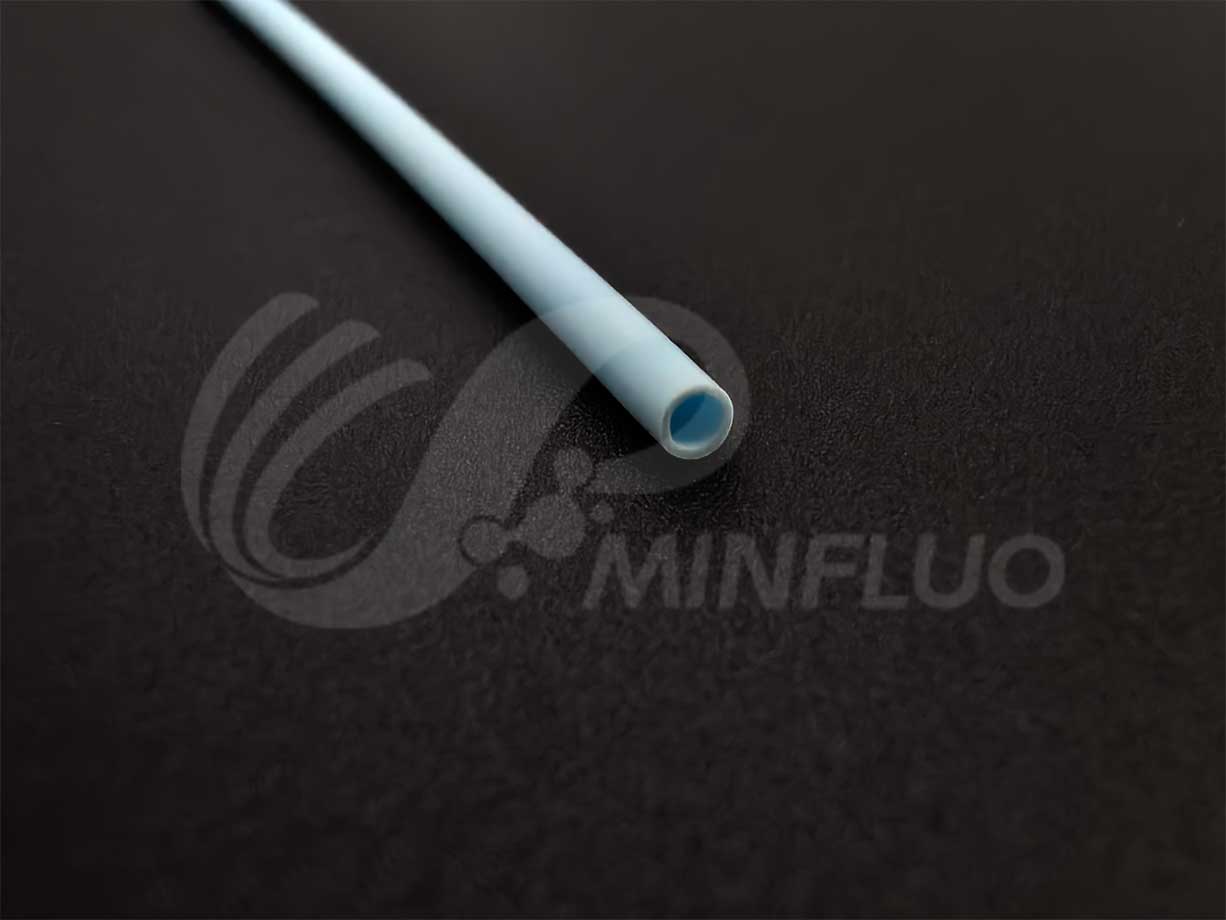
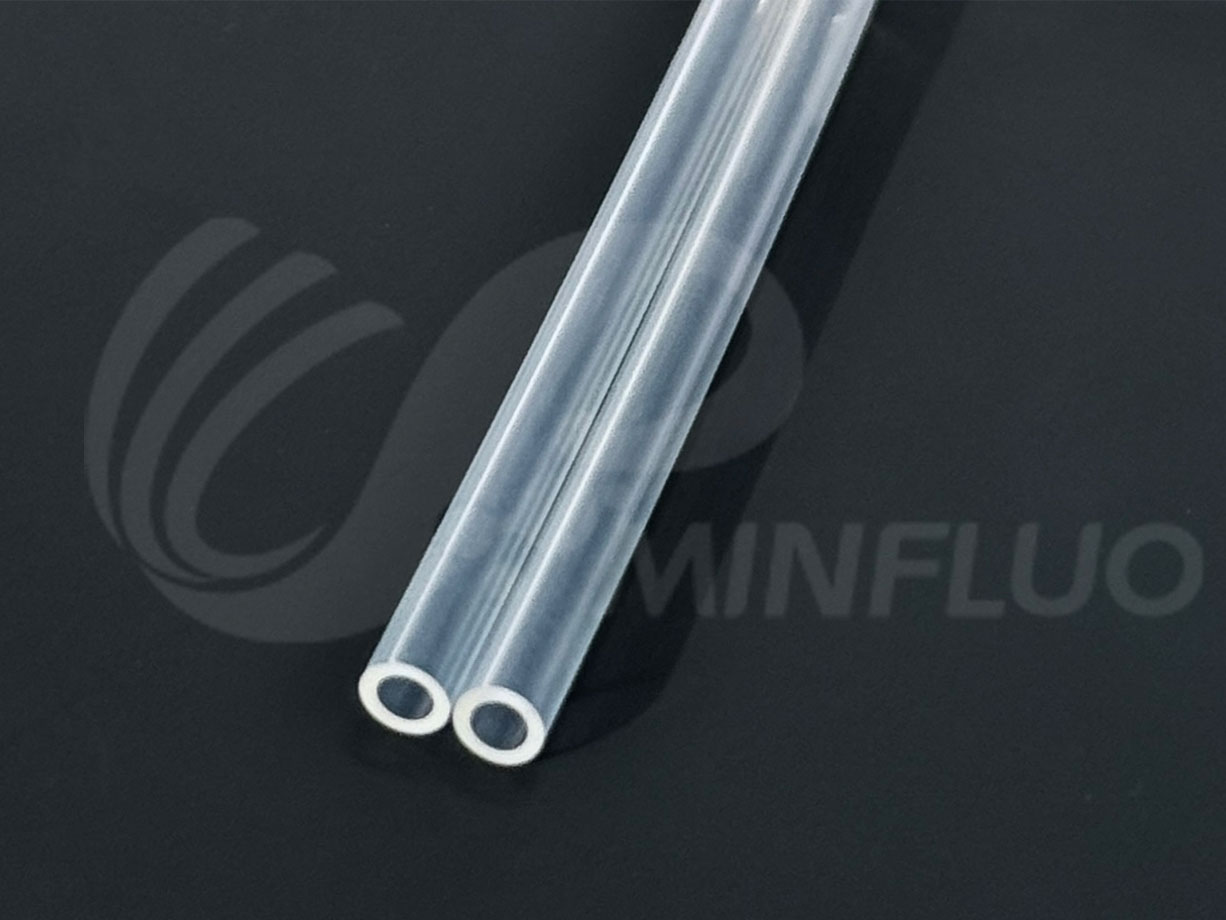
The FEP heat shrink tubing doesn't shrink properly, and the equipment protection is all in vain - these three aspects must be closely monitored.
The FEP heat shrink tubing doesn't shrink properly, and the equipment protection is all in vain - these three aspects must be closely monitored.
The FEP heat shrink tubing (polyperfluorobutylene heat shrink sleeve) features high resistance to high and low temperatures, corrosion resistance, excellent insulation properties, and a non-sticky surface. It is widely used in electronic and electrical insulation, wire harness protection, chemical sealing, medical devices, and other fields. As a purchaser, what you care about is not only whether the heat shrink tubing can "shrink", but also its uniformity of shrinkage, material consistency, and long-term reliability. Below, from the production perspective, we will introduce how we control these aspects.
Precision Extrusion and Irradiation Crosslinking
The quality of FEP heat shrink tubing primarily depends on the precision of the extrusion process and the uniformity of the irradiation cross-linking.
Wall thickness and outer diameter accuracy: The initial wall thickness and outer diameter uniformity of the heat shrink tube directly affect the adhesion and insulation effect after shrinking. We continuously monitor the dimensions of the pipe using high-precision extrusion equipment and an online diameter measurement system to ensure that the outer diameters and wall thicknesses of the same batch and different sections are within the set tolerance range. The smaller the size fluctuation, the more consistent the tightness of the wrapping after shrinking.
Irradiation cross-linking control: The FEP heat shrink tubing needs to undergo irradiation cross-linking to achieve the "shape memory" effect. The uniformity of the irradiation dose is crucial - insufficient dose will result in insufficient contraction, while excessive dose may make the tubing brittle. We ensure the stability of the contraction performance of each batch of products by controlling the irradiation process parameters and conducting regular inspections of the cross-linking degree.
Material purity and batch traceability: The purity of FEP material directly affects the electrical performance and corrosion resistance of the heat shrinkable tube. For each batch of incoming materials, we record the brand and batch number, and conduct random inspections on the melt index and impurity content to ensure material consistency from the source.
II. Verification of Shrinkage Performance and Reliability
The core function of the FEP heat shrink tubing is to uniformly contract and tightly adhere to the covered object when heated. The stable realization of this performance relies on strict factory tests.
Shrinkage rate and uniformity test: Before each batch of products is shipped, a sample will be randomly selected for free shrinkage and directional shrinkage tests. We check whether the axial and radial shrinkage rates of the pipe materials within the specified temperature range are within the promised limits, and observe whether the surface is smooth, and if there are any cracks or wrinkles after shrinkage. The degree of wall thickness increase after shrinkage is also an important parameter for measuring product quality.
Electrical and withstand voltage test: For the FEP heat shrink tubing used for insulation protection, we will conduct dielectric strength tests to verify its insulation reliability under the rated voltage, ensuring no breakdown and no leakage.
Temperature resistance and aging verification: Through high-temperature aging tests and low-temperature impact tests, the performance of the pipe material under extreme temperatures is simulated to ensure that its physical and electrical properties remain stable throughout its service life.
Summary and Selection Suggestions
When purchasing FEP heat shrink tubing, it is recommended to follow the steps below for confirmation:
Clarify the application scenarios and performance requirements: Is it for insulation protection, chemical sealing or wire harness protection? Does it need to be transparent for observing the internal conditions? What is the expected temperature range of use and what are the contact media?
Confirm dimensions and shrinkage ratio: Provide the outer diameter and length of the covered object, as well as the target shrinkage ratio (such as 2:1, 4:1), to ensure the matching of the appropriate specifications.
Sample verification: Conduct shrinkage tests under actual heating conditions to check whether the fit, surface quality and electrical performance meet the standards.
Jiangsu Minfluo New Material Technology Co., Ltd specializes in the field of fluorine material extrusion tubes. It has obtained ISO9001 and ISO13485 certifications for medical device quality management systems. The company offers precision tubes such as FEP heat shrink tubes, FEP fluid tubes, PTFE multi-chamber tubes, and Pebax tubes. Please feel free to communicate your specific requirements and request sample tests.
Official website: http://www.minfluo.com
Su Sidedong
0510-81814868
0515-82726999
0515-8259666
Email:
Alan.su@minfluo.com
Address:
No. 30, Chunhui Road, Hedie Town, Shaoyang County, Jiangsu Province