How to choose a Pebax tube? Not only should you consider the material, but also these several "invisible" processes.
How to choose a Pebax tube? Not only should you consider the material, but also these several "invisible" processes.
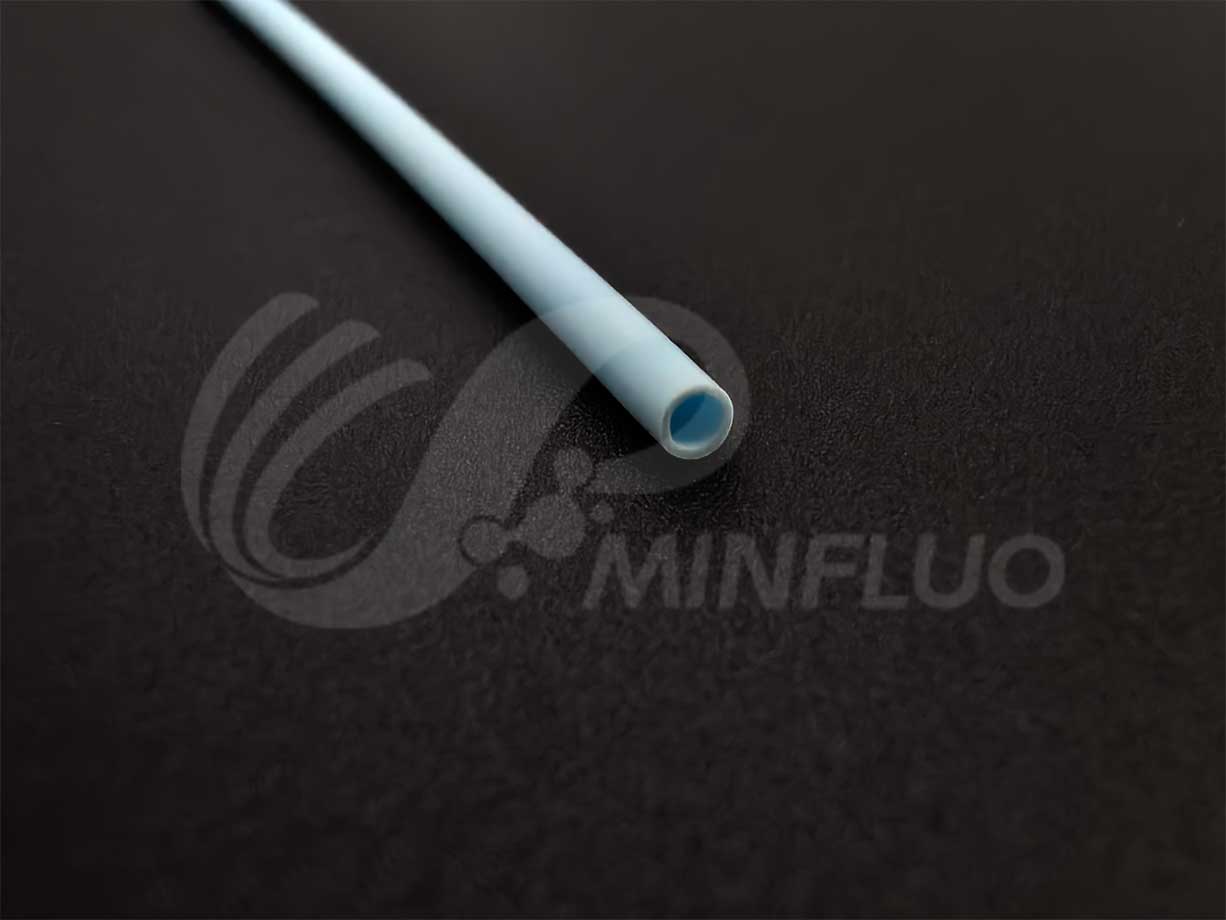
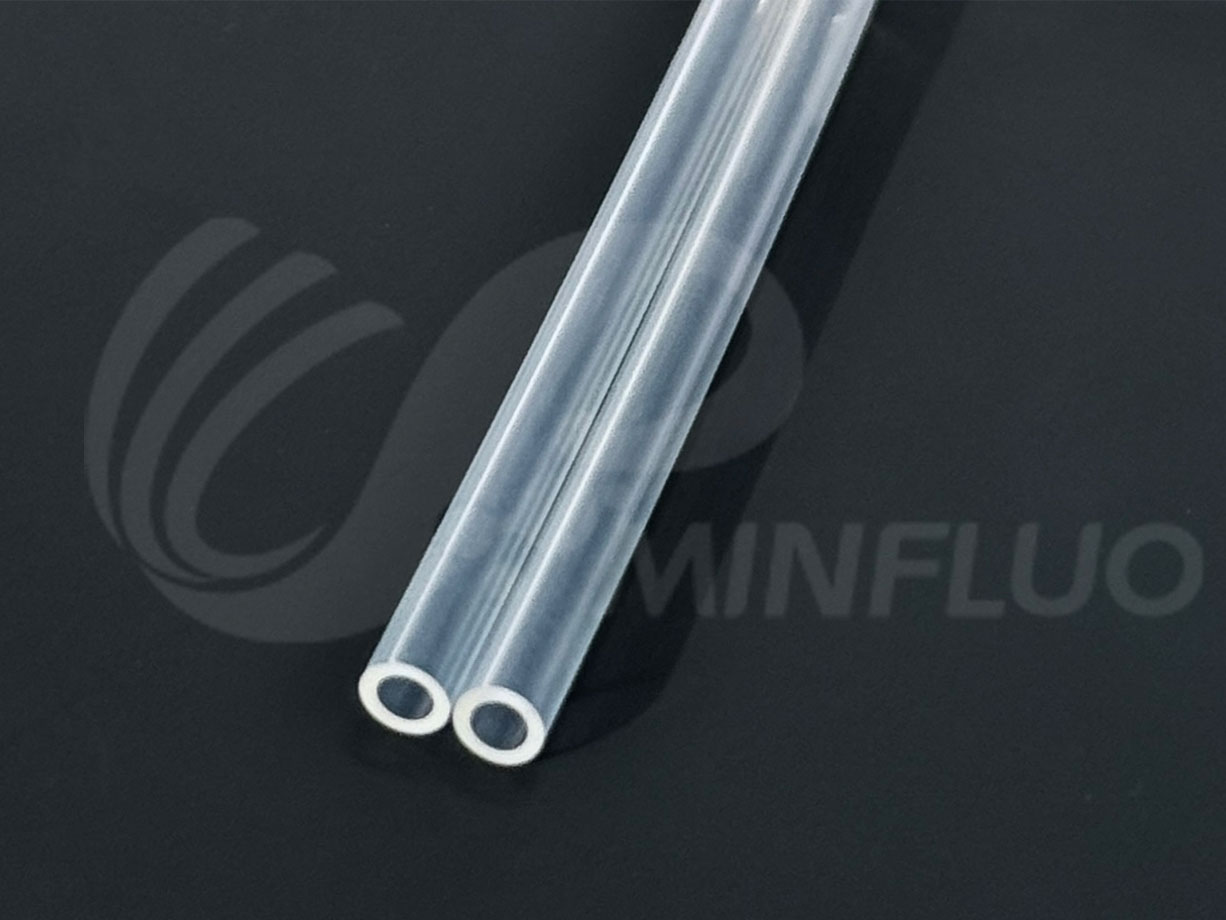
Pebax tubes (polyether block amide tubes) are widely used in high-end medical fields such as cardiovascular intervention, endoscopy, and minimally invasive surgical instruments due to their excellent flexibility, fatigue resistance, and biocompatibility. When purchasing, what you care about is not only the material and size of the tubes, but also their stability between batches, the imaging effect, and their performance in actual instrument assembly. Below, from the production perspective, we will introduce how we control these aspects.
Precision Extrusion and Dimension Control
The performance of the Pebax tube primarily depends on the stability and accuracy of the extrusion process.
Wall thickness uniformity: Pebax tubes are commonly used in interventional devices. The tube walls are extremely thin (sometimes only 0.1-0.2mm), and the uniformity of the wall thickness directly affects the compressive strength and bending performance. We continuously monitor the outer diameter and wall thickness through a high-precision extrusion production line and an online diameter measurement system to ensure that the dimensions are within the set tolerance range. The smaller the size fluctuations in different sections of the same batch, the better the compatibility during the assembly of the devices.
Internal surface finish: For the Pebax tubes used for delivering drugs or guiding wires, the inner wall must be smooth to reduce friction and the risk of thrombus formation. We optimize the extrusion molds and processing temperatures to minimize melt fractures and surface defects. Endoscopy inspection is a routine quality check for each batch of tubes.
Material batch traceability: The hardness of different grades of Pebax materials (such as Pebax 33 series, 55 series, 72 series) varies significantly, and they are suitable for the flexibility and support requirements of different devices. We record the grade and batch number of each incoming material, and conduct random inspections of the melt index to ensure material consistency.
II. Sensitivity and Post-Processing Techniques
The interventional catheter usually needs to be visible under X-ray, which is typically achieved by embedding a contrast layer in the catheter wall or by adding a contrast agent.
Development layer processing: The processing accuracy of the development layer (such as platinum-iridium alloy rings, barium sulfate filling layers) and its adhesion to the Pebax substrate directly affect the clarity of development and long-term reliability. We ensure the accuracy of the development layer position, uniform thickness, and no layering through co-extrusion or secondary coating processes.
Post-processing and sterilization compatibility: The Pebax tubes may require heat treatment (such as shaping, annealing) to eliminate internal stresses, stabilize dimensions, or surface coating treatment (such as hydrophilic coating) to enhance lubricity. We will assess the compatibility of the tube materials based on the usage environment and sterilization method of the customer's devices (such as ethylene oxide sterilization, irradiation sterilization), and provide corresponding processing solutions or suggestions.
Performance verification: Before each batch of pipes is shipped, we will randomly sample them in proportion and conduct bending fatigue tests, burst pressure tests, and evaluation of the imaging effect under actual usage scenarios to ensure that the performance meets expectations.
Summary and Selection Suggestions
When purchasing Pebax tubes, the following steps are recommended for confirmation:
Clarify the usage and performance requirements of the equipment: What level of bending resistance is needed? Is development required? Is a hydrophilic coating necessary? What type of sterilization method is expected to be used?
Confirm dimensions and tolerances: Provide the target values for the outer diameter, inner diameter, and effective length, as well as the acceptable tolerance range.
Sample testing: Conduct actual assembly tests on your equipment assembly line to evaluate size compatibility, flexibility, and anti-knotting properties, and simulate clinical usage environments to verify performance.
Jiangsu Minfluo New Material Technology Co., Ltd. has been deeply engaged in the field of fluorine materials and high-performance medical tubing extrusion. It has obtained ISO9001 and ISO13485 certifications for medical device quality management systems, and provides precision tubing made of materials such as FEP, PTFE, and Pebax. We welcome communication regarding specific requirements and sample testing.
Official website: http://www.minfluo.com
Su Sidedong
0510-81814868
0515-82726999
0515-8259666
Email:
Alan.su@minfluo.com
Address:
No. 30, Chunhui Road, Hedie Town, Shaoyang County, Jiangsu Province